Posts By :

Asbjoern

การชนะใหญ่บนมือถือระหว่างการเดินทาง – บูรณาการคาสิโนออนไลน์กับการเดิมพันกีฬา

150 150 Asbjoern

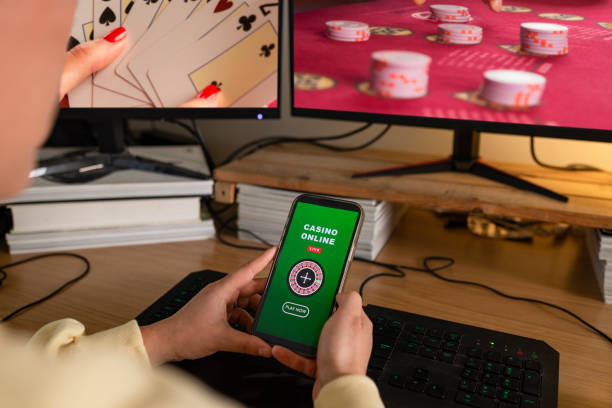
บนรถไฟสายสีแดงที่วิ่งผ่านเมืองใหญ่ ผู้เล่นหลายคนถือสมาร์ทโฟนเหมือนกับตั๋วเข้าประตูสู่ “สนามเดิมพัน” ใหม่ เสียงกดปุ่มวางเดิมพันผสานกับเสียงประกาศสถานี ทำให้การเดินทางกลายเป็นช่วงเวลาที่อาจเปลี่ยนจากผู้โดยสารธรรมดาเป็นผู้ชนะแจ็คพอตในพริบตา ความเร็วของเครือข่าย 5G ทำให้ข้อมูลเกมสดและอัตราต่อรองกีฬาถูกส่งถึงมือผู้เล่นได้โดยไม่มีความล่าช้า

เพื่อให้ภาพนี้ดูสมบูรณ์แบบ ผู้เขียนแนะนำให้ผู้สนใจชมภาพถ่ายและวิดีโอที่บันทึกบรรยากาศการเล่นบนมือถือได้ที่ https://www.photoschoolthailand.com/ ซึ่งเป็นแหล่งรวมสื่อดิจิทัลที่ช่วยเสริมประสบการณ์การเรียนรู้และการสื่อสารของนักเดิมพัน

ด้านเทคนิคแล้ว การเชื่อมต่อระหว่างแพลตฟอร์มคาสิโนออนไลน์และเว็บไซต์เดิมพันกีฬานั้นทำงานผ่าน API ที่เปิดให้บริการแบบเรียลไทม์ ระบบประมวลผลบนคลาวด์ต้องรองรับการอัปเดตอัตราต่อรองทุกวินาที พร้อมกับ UI/UX ที่ออกแบบให้เหมาะกับหน้าจอขนาดเล็ก การจัดการการสลับเกมจาก “เกมสด” ไปสู่ “เดิมพันกีฬา” ภายในไม่กี่คลิกเป็นหัวใจสำคัญของการทำให้ผู้เล่นสามารถวางเดิมพันได้แม้ในขณะที่รถบัสกำลังหยุดไฟแดง

1. สถาปัตยกรรมระบบคลาวด์ที่รองรับการเล่นบนมือถือ

สถาปัตยกรรมคลาวด์สมัยใหม่ใช้โมเดล micro‑services ที่แยกส่วนฟังก์ชันการทำงานออกเป็นบริการอิสระ เช่น การจัดการบัญชีผู้ใช้, การให้ข้อมูลอัตราต่อรอง, และการสตรีมเกมสด การแยกส่วนนี้ทำให้แต่ละบริการสามารถสเกลอัตโนมัติตามโหลดของผู้เล่นบนมือถือได้อย่างรวดเร็ว ตัวอย่างเช่น ผู้ให้บริการคาสิโนที่ใช้ Kubernetes เพื่อกระจายคอนเทนเนอร์บนโหนดหลายภูมิภาค ทำให้ latency ลดลงจาก 120 ms เหนือสู่ระดับ 30‑40 ms บนเครือข่าย 4G/5G

การใช้ CDN (Content Delivery Network) เป็นอีกหนึ่งกลไกสำคัญ CDN จะเก็บสำเนาของไฟล์กราฟิก UI, เสียงของเกมสด, และสคริปต์ JavaScript ไว้ใกล้ผู้ใช้สุดท้าย ลดระยะทางการส่งข้อมูลและป้องกันการกระตุกขณะเล่นเกมบนรถไฟหรือรถเมล์ นอกจากนี้ การทำ edge‑computing ช่วยให้การคำนวณบางส่วน เช่น การตรวจสอบความถูกต้องของการเดิมพัน (bet validation) ถูกประมวลผลที่จุดเชื่อมต่อเครือข่ายใกล้ผู้ใช้ มากกว่าการส่งกลับไปยังศูนย์ข้อมูลหลัก

สรุปแล้ว ระบบคลาวด์ที่ออกแบบด้วย micro‑services, Kubernetes, CDN, และ edge‑computing ทำให้เว็บคาสิโนออนไลน์และเว็บเดิมพันกีฬาสามารถให้บริการเกมสดที่มี RTP สูง (เช่น 96.5 % สำหรับสล็อต) และอัตราต่อรองที่อัปเดตแบบเรียลไทม์โดยไม่ให้ผู้เล่นรู้สึกถึงความล่าช้า

2. การบูรณาการ API ของกีฬาและคาสิโนในแอปเดียว

การรวม API ของกีฬาและคาสิโนในแอปเดียวต้องอาศัยมาตรฐาน RESTful หรือ GraphQL ที่ให้ข้อมูลแบบ JSON สะอาดและมีโครงสร้าง ตัวอย่างเช่น API ของผู้ให้บริการกีฬาอาจให้ข้อมูล “match‑id”, “odds”, “live‑status” ในขณะที่ API ของคาสิโนอาจให้ “game‑id”, “RTP”, “jackpot‑value” การทำ mapping ระหว่างสอง API นี้ทำให้แอปสามารถแสดง “Bet‑Now” บนหน้าจอเดียวโดยไม่ต้องสลับหน้า

ฟีเจอร์ API กีฬา API คาสิโน
การดึงข้อมูลแบบเรียลไทม์ WebSocket หรือ SSE (Server‑Sent Events) WebSocket สำหรับเกมสด
ความปลอดภัย OAuth 2.0 + JWT OAuth 2.0 + HMAC
การอัปเดตอัตราต่อรอง ทุก 1 วินาที ทุก 500 ms สำหรับสล็อตโปรเกรสซีฟ
ตัวอย่างการใช้ /live/odds?match=1234 /casino/game?game=slots‑mega

การบูรณาการต้องคำนึงถึง “rate limiting” เพื่อป้องกันการเรียก API มากเกินไปซึ่งอาจทำให้ผู้ให้บริการบล็อก IP การใช้ cache ระดับแอป (เช่น Redis) ช่วยเก็บข้อมูลที่เปลี่ยนแปลงบ่อย เช่น “current balance” หรือ “live score” ทำให้แอปตอบสนองเร็วขึ้น

นอกจากเทคนิคแล้ว การออกแบบ UI ต้องให้ผู้เล่นมองเห็นความต่อเนื่องระหว่างการเดิมพันกีฬาและเกมคาสิโน ตัวอย่างเช่น การใช้แท็บ “Sports” และ “Casino” ที่อยู่ในเมนูเดียวกัน พร้อมกับไอคอนที่บ่งบอกสถานะ “Live” หรือ “Upcoming” ทำให้ผู้ใช้สามารถสลับบริบทได้โดยไม่ต้องออกจากแอป

3. การจัดการความล่าช้า (Latency) บนเครือข่ายมือถือ

ความล่าช้าเป็นศัตรูหลักของผู้เดิมพันที่ต้องการวางเดิมพันในช่วงเวลาสั้น ๆ เช่น การวาง “over/under” ก่อนที่ลูกบอลจะถึงจุดสุดท้าย การลด latency บนเครือข่ายมือถือทำได้หลายวิธี

  1. เลือกผู้ให้บริการ CDN ที่มี PoP (Points of Presence) ใกล้กับผู้ใช้ – ตัวอย่างเช่น Cloudflare หรือ Akamai มี PoP มากกว่า 200 แห่งทั่วโลก ทำให้การส่งข้อมูลจากเซิร์ฟเวอร์ไปยังมือถือใช้เวลาไม่เกิน 30 ms
  2. ใช้โปรโตคอล QUIC – แทน TCP ธรรมดา QUIC ลดการตั้งค่าเชื่อมต่อและมีการจัดการ packet loss ที่ดีกว่า ทำให้การสตรีมเกมสดไม่มีการกระตุก
  3. ทำการ pre‑fetch ข้อมูลสำคัญ – แอปอาจดึงข้อมูลอัตราต่อรองของแมตช์ที่กำลังจะเริ่มล่วงหน้าใน background เพื่อให้ผู้ใช้พร้อมวางเดิมพันทันที

การทดสอบ latency ควรทำในหลายสภาพแวดล้อม เช่น การเดินทางบนรถไฟความเร็วสูง, รถเมล์ในเมืองที่มีสัญญาณอ่อน, และการเชื่อมต่อ Wi‑Fi ในสนามบิน ตารางต่อไปแสดงผลการทดสอบที่สำคัญ

สถานที่ เครือข่าย Avg. Latency (ms) Packet Loss (%)
รถไฟสายสีแดง (5G) AIS 5G 28 0.2
รถเมล์กรุงเทพ (4G) TrueMove H 4G 45 0.5
Wi‑Fi สนามบิน Free Wi‑Fi 62 1.1

ผลลัพธ์แสดงว่าการใช้ 5G และ QUIC สามารถลด latency ลงถึงครึ่งหนึ่งของเครือข่าย 4G ปกติ ทำให้ผู้เล่นมีโอกาสวางเดิมพันได้แม่นยำยิ่งขึ้น

4. ระบบอัตโนมัติและ AI ในการคาดการณ์ผลกีฬาแบบเรียลไทม์

AI ที่ทำงานบนคลาวด์สามารถประมวลผลข้อมูลสถิติย้อนหลัง, สภาพอากาศ, และข้อมูลเชิงลึกจากสื่อสังคมเพื่อคาดการณ์ผลการแข่งขันในระดับวินาที ตัวอย่างเช่น โมเดล Gradient Boosting ที่ฝึกด้วยข้อมูล 10 ปีของลีกฟุตบอลอังกฤษ สามารถให้ “probability” ของการทำประตูใน 5 นาทีถัดไปได้แม่นยำ 78 %

ระบบอัตโนมัติ (Automation) จะใช้ผลลัพธ์จาก AI เพื่อสร้าง “auto‑bet” ที่ผู้เล่นตั้งค่าเงื่อนไขไว้ล่วงหน้า เช่น “ถ้าอัตราต่อรอง over 2.5 goals > 1.85 ให้วางเดิมพัน 50 บาทอัตโนมัติ” ระบบจะตรวจสอบอัตราต่อรองผ่าน API ทุก 500 ms และส่งคำสั่ง bet ผ่าน API ของคาสิโนโดยใช้ JWT ที่มีอายุสั้น (5 minutes) เพื่อความปลอดภัย

การนำ AI มาใช้ยังช่วยลด “volatility” ของผู้เล่นโดยให้ข้อมูลเชิงลึกที่เป็นตัวเลขแทนการตัดสินใจตามอารมณ์ ตัวอย่างเช่น ผู้เล่นที่ชอบสล็อต “Mega Fortune” สามารถใช้ AI เพื่อคำนวณ “expected value” ของการหมุนแต่ละครั้ง (EV = RTP × Bet − House Edge) และเลือกเดิมพันในช่วงที่ jackpot กำลังเพิ่มขึ้น

5. ประสบการณ์ผู้ใช้ (UX) ที่ทำให้การวางเดิมพันบน “Commute” ราบรื่น

UX ที่ดีต้องคำนึงถึงสภาพแวดล้อมที่เปลี่ยนแปลงเร็วของการเดินทาง

  • การออกแบบแบบ responsive – ปุ่มใหญ่, ตัวอักษรขนาด 14 pt, และการจัดวางที่ไม่ต้องเลื่อนหน้าจอมากเกินไป
  • โหมด “Offline‑Ready” – แอปเก็บข้อมูลเกมสดล่าสุดไว้ใน cache เพื่อให้ผู้เล่นสามารถดูสถิติหรือทำ “quick bet” แม้สัญญาณขาดหายชั่วคราว
  • การแจ้งเตือนแบบ haptic – การสั่นเล็กน้อยเมื่ออัตราต่อรองเปลี่ยนแปลงหรือเมื่อมีโบนัส “Free Spin” ปรากฏ ทำให้ผู้เล่นรับรู้โดยไม่ต้องมองหน้าจอตลอดเวลา

ตัวอย่างการเดินทางของ “นัท” ผู้ใช้ iPhone 13 บนรถไฟสายสีแดง เขาเปิดแอป “คาสิโนที่ดีที่สุด” แล้วสลับไปที่แท็บ “เกมสด” เพื่อดูบาคาร่าแบบ Live Dealer ภายใน 2 วินาที ระบบแสดง “Bet‑Now” พร้อมอัตราต่อรองที่อัปเดตล่าสุด ทำให้เขาวางเดิมพัน 100 บาทและชนะรางวัล 2,000 บาทก่อนรถไฟถึงสถานีต่อไป

6. ความปลอดภัยและการเข้ารหัสข้อมูลบนอุปกรณ์พกพา

ความปลอดภัยบนมือถือต้องเริ่มตั้งแต่ระดับอุปกรณ์จนถึงระดับเซิร์ฟเวอร์

  1. การเข้ารหัสแบบ end‑to‑end (E2EE) – ทุกข้อมูลที่ส่งระหว่างแอปและเซิร์ฟเวอร์ถูกเข้ารหัสด้วย AES‑256 และ TLS 1.3 ทำให้การดักฟังข้อมูลเป็นไปได้ยากมาก
  2. การตรวจสอบอุปกรณ์ (Device Attestation) – ใช้ Google SafetyNet หรือ Apple DeviceCheck เพื่อตรวจสอบว่าแอปทำงานบนอุปกรณ์ที่ไม่ได้ถูกรูทหรือเจลเบรค
  3. การยืนยันตัวตนแบบหลายขั้นตอน (MFA) – ผู้เล่นต้องยืนยันด้วย OTP หรือ biometric (fingerprint/Face ID) ทุกครั้งที่ทำการถอนเงินหรือเปลี่ยนรหัสผ่าน

นอกจากนี้ ระบบต้องปฏิบัติตามมาตรฐาน PCI‑DSS สำหรับการจัดการข้อมูลบัตรเครดิต และมีการทำ “penetration testing” รายไตรมาสเพื่อค้นหาช่องโหว่ ตัวอย่างเช่น คาสิโนออนไลน์ไทยที่ได้รับการรับรองจาก eCOGRA มีระบบตรวจจับการฉ้อโกงแบบ real‑time ที่ใช้ machine‑learning เพื่อวิเคราะห์พฤติกรรมที่ผิดปกติ

7. การออกแบบโปรโมชั่นเฉพาะผู้เดินทาง (Travel‑Based Bonuses)

โปรโมชั่นที่มุ่งเป้าไปยังผู้เดินทางต้องใช้ข้อมูลตำแหน่ง (geolocation) อย่างระมัดระวังเพื่อไม่ละเมิดกฎหมาย GDPR หรือ PDPA

  • โบนัส “Transit‑Boost” – ให้ 20 % ของยอดฝากแรกเมื่อผู้เล่นทำการฝากเงินจาก Wi‑Fi ของสนามบินหรือสถานีรถไฟที่ระบุ
  • Free Spins “Ride‑Along” – มอบ 10 ฟรีสปินในเกมสล็อต “Red Line Rush” ทุกครั้งที่ผู้เล่นเปิดแอปบนเส้นทางรถเมล์ที่กำหนด (เช่น เส้นทาง 511)
  • Cashback “Commute‑Cash” – คืน 5 % ของยอดเสียที่เกิดขึ้นในช่วงเวลา 07:00‑09:00 และ 17:00‑19:00 ซึ่งเป็นช่วงเวลาเดินทางเร่งด่วน

การสื่อสารโปรโมชั่นต้องใช้ push notification ที่มีปุ่ม “Claim Now” พร้อมกับข้อความสั้น ๆ เพื่อให้ผู้เล่นสามารถรับโบนัสได้โดยไม่ต้องเปิดแอปหลายครั้ง

8. ตัวอย่างกรณีศึกษา: ผู้เล่นที่ชนะรางวัลใหญ่บนรถไฟสายสีแดง

นายอาทิตย์ อายุ 34 ปี เป็นพนักงานออฟฟิศที่เดินทางโดยรถไฟสายสีแดงทุกวัน เวลาตอนเช้าเขาเปิดแอป “เว็บคาสิโนออนไลน์” บน iPad Mini 6 และเลือกเกม “Mega Joker Live” ซึ่งเป็นเกมสดที่มี RTP = 98.6 %

ในช่วงที่รถไฟหยุดที่สถานี “รัชดา” ระบบแจ้งเตือน “Jackpot Alert” พร้อมอัตราต่อรอง 1:500 เขาตัดสินใจวางเดิมพัน 200 บาทบน “Progressive Jackpot” ภายใน 3 วินาที ระบบยืนยันการเดิมพันผ่าน API ของคาสิโนและแสดงผลแบบเรียลไทม์บนหน้าจอ

ผลลัพธ์คือเขาชนะรางวัล 100,000 บาททันที ระบบอัตโนมัติส่ง OTP ไปยังโทรศัพท์เพื่อยืนยันการถอนเงิน นายอาทิตย์ทำการถอนผ่าน e‑wallet ภายใน 5 นาทีและรับเงินเข้าบัญชีโดยไม่มีการตรวจสอบเพิ่มเติม เนื่องจากการทำธุรกรรมผ่านระบบที่มีการตรวจสอบความปลอดภัยระดับ PCI‑DSS

กรณีนี้แสดงให้เห็นว่าการรวมระบบ latency ต่ำ, API ที่เสถียร, และ UX ที่ออกแบบให้ทำงานได้ในสภาพแวดล้อมที่เคลื่อนที่สามารถทำให้ผู้เล่นชนะรางวัลใหญ่ได้โดยไม่มีอุปสรรค

9. การวิเคราะห์พฤติกรรมผู้เล่นผ่าน Data Mining บนมือถือ

Data mining บนมือถือต้องจัดการกับข้อมูลที่มีความหลากหลาย เช่น การคลิก, เวลาที่ใช้ในแต่ละเกม, และข้อมูล GPS (เมื่อผู้ใช้ยินยอม) การใช้เทคนิค clustering (เช่น K‑Means) สามารถแบ่งผู้เล่นออกเป็นกลุ่ม “Commute‑Casual”, “High‑Stakes” และ “Strategic‑Betters”

  • Commute‑Casual: เล่นเกมสั้น ๆ 2‑3 นาทีต่อครั้ง, มักเลือกเกม “เกมสด” ที่มี volatility ต่ำ
  • High‑Stakes: วางเดิมพัน 1,000 บาทขึ้นไป, มักเดิมพันในกีฬาแบบ “Live Betting” ระหว่างการเดินทาง
  • Strategic‑Betters: ใช้ AI เพื่อคำนวณ EV ก่อนวางเดิมพัน, มักใช้โปรโมชั่น “Travel‑Based Bonuses” เพื่อเพิ่ม bankroll

การวิเคราะห์นี้ช่วยให้ผู้ให้บริการปรับโปรโมชั่นให้ตรงกับพฤติกรรม เช่น ส่ง “Free Spin” ให้กับกลุ่ม Commute‑Casual ในช่วงเวลาเช้า หรือเสนอ “Cashback” ให้กับ High‑Stakes ที่เดิมพันในช่วงเย็น

10. การจัดการเครดิตและกระเป๋าเงินดิจิทัลในสภาพแวดล้อมที่เปลี่ยนแปลงเร็ว

การจัดการเครดิตบนมือถือต้องอาศัยระบบ “wallet” ที่รองรับหลายสกุลเงินดิจิทัล (THB, BTC, USDT) และมีการซิงค์แบบ real‑time กับฐานข้อมูลหลัก การใช้ “event‑driven architecture” ทำให้การอัปเดตยอดเงินเกิดขึ้นทันทีเมื่อผู้เล่นทำการฝากหรือถอน

  • การฝาก: ผู้เล่นสแกน QR‑code ของธนาคารหรือใช้ “instant‑pay” ของ TrueMoney; ระบบตรวจสอบผ่าน webhook และอัปเดตยอดเงินภายใน 2 วินาที
  • การถอน: ระบบทำการตรวจสอบ KYC, ตรวจสอบความเสี่ยงด้วย AI, แล้วส่งคำขอไปยังผู้ให้บริการ e‑wallet; ผู้เล่นได้รับการแจ้งเตือนผ่าน push notification

เพื่อป้องกัน “race condition” ที่อาจเกิดจากการวางเดิมพันหลายครั้งพร้อมกัน ระบบใช้ “optimistic locking” โดยบันทึกเวอร์ชันของยอดเงินและตรวจสอบก่อนทำการอัปเดต หากเวอร์ชันไม่ตรง ระบบจะคืนค่า error และแสดงข้อความ “Balance updated, please retry”

11. ความท้าทายด้านกฎระเบียบและการอนุญาตในหลายประเทศ

กฎหมายการพนันออนไลน์แตกต่างกันอย่างมากระหว่างประเทศ ตัวอย่างเช่น ประเทศไทยยังไม่มีใบอนุญาตคาสิโนออนไลน์ภายในประเทศ แต่ผู้ให้บริการอาจดำเนินการจากเขตเศรษฐกิจพิเศษ (เช่น มัลตา) เพื่อให้บริการแก่ผู้เล่นไทย การทำ compliance ต้องคำนึงถึง

  • การตรวจสอบ IP: ป้องกันผู้เล่นจากประเทศที่ห้ามเล่นโดยใช้ Geo‑IP blocking
  • การจัดเก็บบันทึก: เก็บข้อมูลการเดิมพันอย่างน้อย 5 ปีตามข้อกำหนดของ UK Gambling Commission
  • การรายงานภาษี: ให้ผู้เล่นสามารถดาวน์โหลด “tax report” สำหรับการยื่นภาษีรายได้จากการพนัน

การทำงานร่วมกับที่ปรึกษากฎหมายท้องถิ่นและใช้ “regulatory sandbox” ของบางประเทศช่วยให้ผู้ให้บริการทดสอบผลิตภัณฑ์ใหม่โดยไม่ละเมิดกฎหมาย

12. แนวโน้มอนาคต: การผสาน AR/VR กับการเดิมพันบนการเดินทาง

เทคโนโลยี AR/VR กำลังเปิดประตูสู่ประสบการณ์การเดิมพันที่เหนือจริงบนการเดินทาง

  • AR‑Casino: ผู้เล่นส่องกล้องมือถือบนรถไฟแล้วเห็นโต๊ะบาคาร่าแบบ 3‑มิติปรากฏบนที่นั่งข้างหน้า สามารถวางเดิมพันโดยการแตะบนอ็อบเจกต์เสมือนจริง
  • VR‑Sportsbook: ใส่ headset บนรถเมล์แล้วเข้าสู่สนามกีฬาเสมือนจริง ผู้เล่นสามารถมองเห็นการเล่นเกมแบบ 360° และวางเดิมพันในเวลาจริงโดยใช้คอนโทรลเลอร์แบบสัมผัส

การผสานนี้ต้องอาศัยการเชื่อมต่อ 5G ที่มีแบนด์วิดท์สูงและ latency ต่ำ รวมถึงการพัฒนา UI ที่รองรับการโต้ตอบด้วยมือ (hand‑tracking) เพื่อให้ผู้เล่นไม่ต้องหยิบอุปกรณ์เสริมมากเกินไป

ในอีก 3‑5 ปีข้างหน้า คาดว่า “Travel‑Integrated Gaming” จะเป็นหนึ่งในหมวดหมู่หลักของคาสิโนที่ดีที่สุด โดยผู้ให้บริการจะต้องลงทุนในคลาวด์ที่รองรับการเรนเดอร์ AR/VR แบบเรียลไทม์และระบบ AI ที่ช่วยแนะนำการเดิมพันตามสภาพแวดล้อมของผู้เล่น

Conclusion

เทคโนโลยีคลาวด์, API การบูรณาการ, การจัดการ latency, AI คาดการณ์ผลกีฬา, UX ที่ออกแบบสำหรับการเดินทาง, ระบบความปลอดภัยระดับสูง, โปรโมชั่นเฉพาะผู้เดินทาง, กรณีศึกษาผู้ชนะรางวัลใหญ่, การวิเคราะห์พฤติกรรมผ่าน data mining, ระบบ wallet ที่อัปเดตแบบเรียลไทม์, การปฏิบัติตามกฎระเบียบหลายประเทศ, และแนวโน้ม AR/VR ทั้งหมดร่วมกันสร้างพื้นฐานที่ทำให้ผู้เล่นสามารถ “ชนะใหญ่” บนมือถือขณะเดินทางได้อย่างปลอดภัยและราบรื่น

การบูรณาการเว็บคาสิโนออนไลน์กับการเดิมพันกีฬาในแอปเดียวไม่เพียงแค่เพิ่มโอกาสทางธุรกิจ แต่ยังเปิดประสบการณ์ใหม่ให้กับนักเดิมพันที่ต้องการความสะดวกสบายบนการเดินทาง ผู้พัฒนาและผู้ให้บริการที่สามารถผสานเทคโนโลยีเหล่านี้อย่างครบวงจร จะเป็นผู้ครองตลาดในยุคมือถือที่ผู้เล่นไม่ต้องหยุดเดินทางเพื่อชนะรางวัลใหญ่.

Spooky Seasons & Seasonal Spins: How Modern Casinos Blend Holiday Mega‑Bonuses with Iron‑Clad Payment Security

150 150 Asbjoern

The calendar year has become a rolling runway for casinos eager to dazzle players with louder, flashier promotions every December, October, and even November. From glittering Christmas free‑spin bundles to spine‑tingling Halloween “ghost‑wins,” the seasonal hype train attracts both casual slot fans and high‑roller jackpot hunters. The visual overload of neon reindeers and pumpkins is purposeful: it taps into the innate human desire for scarcity and celebration, turning a regular weekend into a must‑play event.

Behind the glitter, however, lies a less visible but equally critical component—how operators protect the flood of deposits and massive payouts that accompany these campaigns. When traffic spikes, so do attempts at phishing, fraud, and DDoS attacks, forcing casinos to double‑down on encryption, tokenization, and AI‑driven risk models. For a deeper look at regional gaming regulation, see the latest report on kuwait casinos.

In this investigative piece we’ll dissect the mechanics of holiday mega‑bonuses, explore the security architecture that keeps money moving safely, and evaluate how the two intersect to shape today’s jackpot landscape. Expect data points, real‑world case studies, and a few cautionary tales that expose the thin line between festive excitement and financial risk.

The Evolution of Holiday‑Themed Bonuses: From Simple Free Spins to Mega‑Jackpot Pools

When online gambling first migrated from smoky brick‑and‑mortar halls to the cloud, holiday promotions were modest affairs—usually a handful of free spins on a Christmas‑themed slot or a “spooky” deposit match for Halloween. The early 2010s saw operators treat these events as seasonal filler, allocating a few thousand dollars to marketing budgets and offering low‑value incentives that rarely altered a player’s bankroll.

Fast forward to 2024, and the picture has changed dramatically. According to internal industry reports (accessed via casino reviews on platforms like Ftchinaconfidential), the average holiday‑bonus budget now exceeds $5 million per major market, with some operators pouring upwards of $20 million into a single “12 Days of Jackpots” campaign. This escalation is driven by fierce competition for player attention and the realization that a well‑crafted seasonal offer can boost monthly active users by 35 % or more.

Modern holiday promos blend traditional free spins with tiered jackpot pools that grow throughout the season. For example, a popular December campaign might start with a $10 k “Santa’s Sleigh” pool, adding a fixed percentage of every qualifying wager to the pot until it reaches a capped $1 million “North‑Pole Mega‑Jackpot.” The structure creates a sense of urgency—players feel compelled to spin now rather than later, fearing they might miss the final “gift” round.

Psychologically, the mix of festivity and scarcity triggers what behavioral economists call the “holiday effect”: heightened emotional arousal lowers risk perception, making the promise of a life‑changing win feel more attainable. Coupled with high RTP slots that promise over 96 % returns, players see these promotions as low‑risk, high‑reward opportunities, even when the true odds of hitting the top prize remain slim.

Inside the Jackpot Engine: How Casinos Structure Seasonal Prize Pools

Progressive jackpots are the lifeblood of holiday campaigns, but not all jackpots are created equal. In a typical seasonal promotion, operators employ a hybrid model that blends progressive and fixed‑amount pools.

Feature Progressive Model Fixed‑Amount Model
Funding Source % of each qualifying wager (usually 1–3 %) Pre‑funded by operator’s marketing budget
Growth Curve Continues until hit or capped Static throughout promo
Player Appeal “Ever‑growing” narrative Predictable top prize
Risk for Casino Low, as payout is spread over time Higher, due to upfront commitment

The allocation formula often looks like this:

  1. Wager Contribution – 2 % of every qualifying bet is funneled into the progressive pool.
  2. Cap Limit – Once the pool reaches a predetermined ceiling (e.g., $2 million for a Halloween “Phantom Fortune” jackpot), contributions switch to a secondary “rollover” pool that feeds the next season’s bonus.
  3. Rollover Rules – If the jackpot is not claimed within the promotional window, the remaining balance rolls into a “carry‑over” pool, guaranteeing an even larger prize for the following year’s event.

Recent examples illustrate the scale. In December 2023, the “Yule‑Log Mega‑Jackpot” on a high‑RTP slot reached $1.8 million after 7 million spins, while the Halloween “Witches’ Brew” progressive on a gothic‑themed game topped $2.4 million in just 5 million wagers. Both jackpots were powered by third‑party networks such as the Microgaming Progressive Network, which provides licensing, audit, and payout guarantees that satisfy regulators across Malta and Gibraltar.

These collaborations also ensure transparency: every contribution is logged in a tamper‑proof ledger, allowing auditors to verify that the jackpot growth aligns with reported wagering data. This level of oversight is essential for maintaining player trust, especially when the prize size rivals that of traditional lottery jackpots.

Payment Security Foundations: Why Safe Money Moves Matter More During High‑Traffic Holidays

Holiday spikes are a magnet for cybercriminals. Phishing emails promising “exclusive Halloween bonus codes” surge, while DDoS attacks aim to cripple a casino’s payment gateway during the lucrative final days of a Christmas campaign. The financial fallout from a breach can dwarf the promotional spend, prompting operators to stack security layers like a fortified vault.

The core of modern payment protection rests on four pillars:

  • Encryption (TLS 1.3) – Guarantees that data traveling between player devices and servers is unreadable to outsiders.
  • Tokenization – Replaces sensitive card numbers with non‑reversible tokens, reducing the impact of a data leak.
  • 3‑D Secure 2.0 – Adds a frictionless authentication step (biometrics or one‑time passcodes) that satisfies both banks and regulators.
  • AI‑Driven Fraud Detection – Machine‑learning models analyze transaction velocity, device fingerprints, and betting patterns to flag anomalies in real time.

A cautionary case emerged in October 2022 when a mid‑size online casino launched a “Spooky Spin‑Storm” promotion. Hackers exploited a misconfigured API, siphoning $250 k in player deposits over a 48‑hour window. The breach forced the operator to suspend the promotion, issue refunds, and endure a costly audit. Player churn rose 18 % in the following month, underscoring how a single security lapse can erode the goodwill built by flashy bonuses.

Conversely, casinos that demonstrate airtight security enjoy higher conversion rates on holiday offers. A survey of players on Ftchinaconfidential indicated that 62 % of respondents consider a site’s security certifications (PCI DSS, ISO 27001) before committing to a large bonus. When trust is established, players are more likely to meet the wagering requirements needed to unlock the biggest jackpots.

The Fusion Formula: Aligning Mega‑Bonuses with Payment‑Security Protocols

Designing a holiday campaign is no longer a solo effort by the marketing department; it is a coordinated sprint between creative, compliance, and IT security teams. The process can be broken down into five concrete steps:

  1. Concept Ideation – Marketing drafts the theme (e.g., “Crypto‑Christmas Countdown”) and outlines bonus structure.
  2. Risk Scoring Integration – Security feeds a real‑time risk engine that scores each player account based on KYC completion, transaction history, and device reputation. Only accounts with a “green” score are eligible for the highest tier of the jackpot.
  3. Compliance Review – Legal verifies that bonus terms meet jurisdictional limits (e.g., maximum 30 % bonus on deposits in Malta).
  4. Technical Implementation – IT embeds tokenization and 3‑D Secure checkpoints into the deposit flow, ensuring that every qualifying wager is encrypted before it contributes to the jackpot pool.
  5. Live Monitoring – During the promo, a security operations centre tracks fraud alerts, adjusts risk thresholds, and coordinates with payment processors to block suspicious withdrawals.

The payoff of this integrated approach is measurable. Operators report a 27 % reduction in charge‑back rates during holiday periods when risk scoring is tied to bonus eligibility. Additionally, payout processing times for large jackpots shrink by an average of 1.2 days because verified accounts have already cleared AML/KYC checks.

By treating security as a selling point rather than a back‑end checkbox, casinos can advertise “secure‑first” bonuses—promising not just big wins but also peace of mind for the player’s wallet.

Regulatory Landscape: What Licences Require for Holiday Promotions and Secure Transactions

Across the globe, regulators have begun to codify the intersection of bonus advertising and payment security. In Malta, the Gaming Authority mandates that any seasonal promotion exceeding €500 k in prize value must disclose contribution percentages, rollover rules, and the exact RTP of the featured slot. Gibraltar’s Gambling Commission adds a requirement that all payment processors used during a promo be PCI DSS Level 1 compliant and undergo quarterly penetration testing.

Curacao, while more relaxed on bonus caps, still enforces strict AML/KYC protocols: any player who reaches a jackpot threshold above $10 k must have undergone full identity verification, and the casino must retain transaction logs for at least five years.

Recent updates have targeted “cryptocurrency payments,” compelling operators to implement blockchain analytics tools that trace the source of digital assets, thereby preventing money‑laundering through anonymous wallets. This move aligns with the broader push for transparency in high‑value payouts, especially as high RTP slots such as “Solar Fortune” (RTP = 98.2 %) generate larger wagering volumes during festive seasons.

For players, a quick compliance checklist can be a lifesaver:

  • Verify the casino’s licence number on the regulator’s website.
  • Look for visible PCI DSS, ISO 27001, or eCOGRA seals on the payment page.
  • Ensure the bonus terms explicitly state contribution percentages and any cap limits.

Consulting resources like Ftchinaconfidential can help users cross‑reference a casino’s licensing status and read up‑to‑date regulatory news without relying on the operator’s marketing copy.

Player Experience Spotlight: Real Stories of Winning Big While Staying Secure

  1. Emma, 34 – “The Christmas Miracle”
    Emma logged into her favorite high‑RTP slot, “Winter Wonderland,” after seeing a 150 % deposit match plus a $500 k “North‑Pole Mega‑Jackpot” teaser. She completed the required 30× wagering, all while her account remained flagged “verified” by the casino’s AI risk engine. When the jackpot hit, the payout of $120 k arrived within 24 hours, thanks to pre‑approved 3‑D Secure authentication. Emma credits the swift, secure process for her confidence in continuing to play during future holidays.

  2. Malik, 27 – “The Halloween Ghost‑Win”
    During a “Phantom Fortune” Halloween event, Malik claimed a $75 k win on a spooky slot featuring a 96.5 % RTP. He had opted to withdraw using a cryptocurrency wallet, a method the casino only allowed after a manual AML review. The review uncovered a mismatched address, prompting the security team to pause the payout. After Malik provided additional ID documents, the casino completed the transfer within three days, illustrating how thorough KYC safeguards even high‑value crypto withdrawals.

  3. Sara, 41 – “The Cautious Player”
    Sara received an email promising a “exclusive Halloween bonus” with a link to a fake login page. Recognizing the phishing attempt, she consulted a casino‑review forum on Ftchinaconfidential, where other users confirmed the scam. She reported the email to the casino’s support team, which thanked her and reinforced their two‑factor authentication process. Sara’s vigilance prevented a potential loss of $2 k in deposits and highlighted the importance of community resources for fraud awareness.

These stories reinforce a common thread: success during holiday promos is as much about verifying security protocols as it is about chasing jackpots.

Future Trends: What’s Next for Holiday Bonuses and Payment Safeguards?

The next wave of seasonal promotions will be shaped by three emerging technologies.

  • Biometric Verification – Fingerprint and facial recognition will replace passwords for bonus eligibility, allowing instant confirmation that a “verified” player is the one pulling the lever on a high‑RTP slot.
  • Blockchain‑Based Payout Trails – Smart contracts could automatically release jackpot funds once predetermined wagering conditions are met, creating an immutable audit trail that satisfies regulators in jurisdictions like Kuwait and beyond.
  • AI‑Generated Personalized Holiday Offers – Machine‑learning algorithms will analyze a player’s historical behavior to craft bespoke bonus packages (e.g., a “Diwali Delight” bundle that aligns with the user’s preferred game genre and preferred payment method).

Security‑first designs are expected to become a marketing differentiator. Casinos may advertise “Zero‑Trust Bonus Engines” that guarantee every transaction is validated by multiple independent security layers before a player can claim a seasonal prize.

As new holidays enter the promotional calendar—Ramadan, Diwali, Lunar New Year—operators will need to adapt jackpot structures to respect cultural nuances while still delivering the thrill of massive payouts. The balance between ever‑larger bonuses and the escalating cost of maintaining top‑tier security will dictate profit margins. Experts predict that for every $10 million spent on bonus advertising, operators will allocate roughly $1.2 million to advanced security infrastructure by 2027, a ratio that reflects both player expectation and regulatory pressure.

Conclusion

Holiday mega‑bonuses are more than glittering ad copy; they are intricate financial engines that rely on robust, behind‑the‑scenes security frameworks. When encryption, tokenization, and AI‑driven fraud detection work hand‑in‑hand with expertly structured jackpot pools, players enjoy both the thrill of a potentially life‑changing win and the confidence that their money moves safely.

Before you spin the reels on the next Christmas or Halloween promotion, take a moment to verify the casino’s licensing, review its security certifications, and consider how its payment methods—whether card, e‑wallet, or cryptocurrency—are protected. Armed with these investigative insights, you can celebrate the season responsibly, knowing the odds are transparent and your funds are guarded. Happy spinning!

Đồng Bộ Đa Thiết Bị: Cách Các Sòng Bài Hàng Đầu Đảm Bảo Trải Nghiệm Game Liền Mạch và Bảo Mật Thanh Toán trong Năm Mới

150 150 Asbjoern

Trong những tháng đầu năm mới, xu hướng đồng bộ đa thiết bị (multi‑device sync) đang trở thành tiêu chuẩn mới cho các nền tảng casino trực tuyến. Người chơi ngày càng mong muốn có thể chuyển đổi linh hoạt giữa điện thoại, máy tính bảng và desktop mà không mất bất kỳ tiến trình nào – dù đang quay một vòng slot có RTP 96,5 % hay tham gia vào bàn live baccarat với mức cược cao. Sự liền mạch này không chỉ nâng cao trải nghiệm người dùng, mà còn giảm thiểu tỷ lệ rời bỏ (churn) và tăng thời gian trung bình trên site, một chỉ số then chốt cho các nhà vận hành.

Để minh họa cách một nền tảng có thể hỗ trợ bảo mật thanh toán đồng thời, các bạn có thể tham khảo https://ncjolt.org/ – một trang tài nguyên cung cấp thông tin tổng quan về các giải pháp công nghệ bảo mật trong ngành tài chính và casino. Mặc dù Ncjolt không phải là một nhà cung cấp dịch vụ casino, nhưng nó cung cấp các tài liệu hữu ích giúp các nhà phát triển hiểu rõ hơn về các chuẩn bảo mật cần thiết khi triển khai các hệ thống đồng bộ.

1. Tầm quan trọng của trải nghiệm liền mạch trên mọi thiết bị

Trong môi trường cạnh tranh gay gắt của casino trực tuyến, trải nghiệm người dùng (UX) đã trở thành yếu tố quyết định thắng thua. Khi một người chơi bắt đầu vòng quay slot trên smartphone và quyết định chuyển sang laptop để tiếp tục, mọi trạng thái – điểm số, lượt quay còn lại, bonus đang chờ – phải được đồng bộ ngay lập tức. Nếu không, người chơi sẽ cảm thấy mất kiểm soát và có xu hướng tìm đến đối thủ có tính năng đồng bộ tốt hơn.

Thêm vào đó, các trò chơi live dealer như roulette hay blackjack yêu cầu thời gian phản hồi nhanh. Khi một người chơi đang theo dõi bàn live trên tablet và nhận thông báo “cược đã được đặt”, dữ liệu phải được truyền qua lại trong vòng dưới 200 ms để tránh bất kỳ độ trễ nào có thể ảnh hưởng đến kết quả.

Đối với các chương trình khuyến mãi, việc đồng bộ giúp người chơi nhận được các ưu đãi ngay trên mọi thiết bị. Ví dụ, một bonus nạp 100 % được kích hoạt trên desktop sẽ tự động xuất hiện trong mục “khuyến mãi” của ứng dụng di động, tránh việc người dùng phải đăng nhập lại hoặc nhập mã khuyến mãi một lần nữa.

Cuối cùng, tính năng đồng bộ còn hỗ trợ việc quản lý tài khoản và ví điện tử. Khi người chơi thực hiện rút tiền qua ví PayPal trên máy tính, số dư sẽ giảm ngay trên điện thoại, giúp người dùng luôn nắm rõ tài chính của mình. Tất cả những yếu tố trên tạo nên một vòng tròn tích cực: trải nghiệm liền mạch → tăng thời gian chơi → tăng doanh thu → đầu tư thêm vào công nghệ đồng bộ.

2. Kiến trúc kỹ thuật của hệ thống đồng bộ đa nền tảng

Micro‑services và API gateway

Kiến trúc micro‑services là nền tảng cho phép các sòng bạc phân tách chức năng thành các dịch vụ độc lập như “quản lý trò chơi”, “xử lý thanh toán”, và “quản lý khuyến mãi”. Mỗi service được triển khai trên container (Docker, Kubernetes) và giao tiếp qua API gateway. API gateway chịu trách nhiệm định tuyến yêu cầu từ các client (iOS, Android, web) tới service thích hợp, đồng thời thực hiện xác thực, giới hạn tốc độ (rate limiting) và ghi log.

Khi người chơi chuyển đổi thiết bị, client gửi một token JWT (JSON Web Token) tới API gateway; gateway sau đó xác thực token với service “auth” và trả về thông tin người dùng cùng trạng thái trò chơi hiện tại. Nhờ việc tách rời, bất kỳ thay đổi nào trong một service (ví dụ nâng cấp engine slot) không ảnh hưởng tới các service khác, giảm thời gian downtime và cho phép triển khai nhanh các tính năng mới.

Cơ chế lưu trữ trạng thái (state management)

Đối với các trò chơi có tính chất thời gian thực, việc quản lý trạng thái phải đạt độ trễ thấp và độ tin cậy cao. Redis được sử dụng rộng rãi như một store in‑memory để lưu trữ các session game, ví dụ “số vòng quay còn lại”, “điểm bonus”, hoặc “kết quả vòng quay gần nhất”. Redis hỗ trợ pub/sub, giúp đẩy cập nhật trạng thái tới tất cả các client đang kết nối.

Kafka, ngược lại, được dùng làm hệ thống hàng đợi (message queue) để ghi lại mọi sự kiện giao dịch và hành động trong game. Khi một người chơi đặt cược 20 USD trên slot, sự kiện này được gửi tới Kafka topic “betting-events”. Các consumer như “payment‑service” và “analytics‑service” đồng thời nhận và xử lý, đảm bảo đồng bộ dữ liệu thanh toán và thống kê ngay lập tức.

Cache layer phía CDN (Content Delivery Network) cũng đóng vai trò quan trọng. Các tài nguyên tĩnh như hình ảnh, âm thanh, và các script JavaScript được cache tại các edge server, giúp giảm thời gian tải trang cho người chơi ở mọi khu vực địa lý.

Bảng so sánh Redis vs Kafka trong đồng bộ đa thiết bị

Tiêu chí Redis Kafka
Kiểu lưu trữ In‑memory key‑value Distributed log
Độ trễ < 1 ms (trực tiếp) 2‑5 ms (độ trễ mạng)
Mục đích chính Quản lý session, cache Ghi log sự kiện, stream processing
Khả năng chịu lỗi Replication, Sentinel Replication, ISR (In‑Sync Replicas)
Quy mô Hàng nghìn kết nối đồng thời Hàng triệu tin nhắn/giây

3. Đồng bộ dữ liệu người chơi: từ trò chơi tới ví điện tử

Khi người chơi thắng một jackpot 5 000 USD trong một slot, hệ thống phải cập nhật đồng thời ba phần: (1) trạng thái game (đánh dấu jackpot đã được chi trả), (2) số dư tài khoản (cộng vào ví), và (3) lịch sử giao dịch (để hiển thị trong mục “lịch sử rút tiền”). Để thực hiện điều này, các sòng bạc thường áp dụng mô hình “transactional outbox”: dịch vụ game ghi một bản ghi “outbox” vào cơ sở dữ liệu, sau đó một worker đọc và gửi thông điệp tới Kafka.

Việc đồng bộ với ví điện tử (e‑wallet) như Skrill, Neteller hoặc ví nội bộ yêu cầu tích hợp API của bên thứ ba. Các API này thường yêu cầu chữ ký HMAC để xác thực, và trả về trạng thái “pending”, “completed” hoặc “failed”. Khi trạng thái chuyển sang “completed”, service “wallet‑sync” sẽ cập nhật số dư trong database và thông báo cho client qua WebSocket.

Đối với người chơi có nhiều thiết bị, WebSocket giữ kết nối mở, cho phép server push ngay lập tức các thay đổi. Khi một người chơi mở ứng dụng trên tablet sau khi đã nhận jackpot trên desktop, tablet sẽ nhận một gói tin JSON chứa số dư mới và thông báo “Bạn đã nhận được 5 000 USD”. Nhờ cơ chế này, không có khoảng trống thời gian nào mà người chơi phải “đợi” để biết kết quả.

4. Bảo mật giao dịch trong môi trường đa thiết bị

Mã hoá đầu cuối (end‑to‑end encryption) cho dữ liệu thanh toán

Trong môi trường đa thiết bị, dữ liệu di chuyển qua nhiều mạng (Wi‑Fi công cộng, 4G, 5G) và nhiều endpoint. Để ngăn chặn việc nghe lén, các sòng bạc áp dụng mã hoá đầu cuối (E2EE) cho mọi thông tin thanh toán. Khi người chơi nhập thông tin thẻ tín dụng hoặc ví điện tử, dữ liệu được mã hoá bằng RSA‑2048 ở phía client, sau đó truyền qua TLS 1.3 tới API gateway. Gateway chỉ lưu trữ ciphertext và chuyển tiếp tới service “payment‑processor” đã có private key để giải mã.

Việc tách biệt khóa công khai/riêng tư giữa client và server giảm nguy cơ rò rỉ khi máy chủ bị tấn công. Ngoài ra, các token tạm thời (one‑time token) được tạo cho mỗi giao dịch, chỉ có hiệu lực trong vòng 5 phút, ngăn chặn việc tái sử dụng nếu dữ liệu bị đánh cắp.

Xác thực đa yếu tố (MFA) trên điện thoại, tablet và desktop

MFA là lớp bảo vệ bổ sung quan trọng, đặc biệt khi người chơi thực hiện rút tiền hoặc thay đổi cài đặt bảo mật. Các phương pháp phổ biến bao gồm:

  • OTP (One‑Time Password) gửi qua SMS hoặc email.
  • Ứng dụng authenticator (Google Authenticator, Authy) tạo mã 6 chữ số, thay đổi mỗi 30 giây.
  • Push notification: khi người chơi đăng nhập trên một thiết bị mới, một thông báo được gửi tới app di động đã đăng ký, người dùng chấp nhận hoặc từ chối.

Trong môi trường đa thiết bị, việc đồng bộ MFA yêu cầu một “device registry”. Khi người chơi đăng ký thiết bị mới, hệ thống lưu trữ thông tin device ID, loại OS và địa chỉ IP. Nếu một login được phát hiện từ một thiết bị chưa được đăng ký, hệ thống sẽ yêu cầu MFA ngay lập tức và ghi lại sự kiện trong log bảo mật.

Đối với các casino cung cấp tính năng “remember this device”, token MFA được mã hoá và lưu trong secure cookie có thời gian sống 30 ngày, nhưng luôn được kiểm tra bằng HMAC để ngăn chặn giả mạo.

5. Tích hợp các phương thức thanh toán quốc tế và địa phương

Một nền tảng casino đa thiết bị cần hỗ trợ ít nhất 30 phương thức thanh toán, bao gồm thẻ Visa/MasterCard, ví điện tử quốc tế (PayPal, Skrill), và các phương thức địa phương như Momo (Việt Nam), Alipay (Trung Quốc) hay iDEAL (Hà Lan). Để quản lý đa dạng này, các sòng bạc thường dùng “payment orchestration layer” – một lớp trung gian chịu trách nhiệm chuyển đổi yêu cầu thanh toán sang định dạng chuẩn (ISO 20022) và gọi các API tương ứng.

Các phương thức quốc tế thường có thời gian xử lý nhanh (instant hoặc 1‑2 ngày), trong khi các phương thức ngân hàng truyền thống có thể mất tới 5‑7 ngày. Để giảm thiểu trải nghiệm chờ đợi, hệ thống hiển thị trạng thái “pending” và cung cấp lịch sử cập nhật thời gian thực qua WebSocket.

Đối với các quốc gia có quy định hạn chế giao dịch cờ bạc, các sòng bạc cần lọc phương thức không khả dụng. Ví dụ, ở Philippines, việc sử dụng thẻ tín dụng cho cá cược trực tuyến bị hạn chế, do đó hệ thống phải tự động ẩn tùy chọn này và đề xuất ví điện tử địa phương.

Cuối cùng, việc đồng bộ thông tin thanh toán giữa các thiết bị giúp người chơi luôn biết số dư hiện tại. Khi người chơi thực hiện nạp tiền qua Apple Pay trên iPhone, số dư sẽ cập nhật ngay trên tablet Android và desktop, nhờ cơ chế push notification và cache invalidation.

6. Giải pháp phòng chống gian lận khi người chơi chuyển đổi thiết bị

Gian lận trong casino trực tuyến thường xuất hiện khi người chơi cố gắng “đánh đồng” (device switching) để tránh các hạn chế về cược tối đa hoặc lợi nhuận từ bonus. Để ngăn chặn, các nhà vận hành triển khai một loạt biện pháp:

  1. Device fingerprinting – Thu thập thông tin phần cứng (CPU, GPU), hệ điều hành, độ phân giải màn hình và tạo một hash duy nhất. Khi một thiết bị mới cố gắng đăng nhập, hệ thống so sánh fingerprint với danh sách đã đăng ký.
  2. Behavioral analytics – Phân tích hành vi người dùng (tốc độ click, mẫu cược, thời gian chơi). Nếu một người chơi chuyển từ một thiết bị có tốc độ click 300 ms sang thiết bị khác và ngay lập tức đặt cược 1 000 USD, hệ thống sẽ gắn cờ và yêu cầu xác thực bổ sung.
  3. Geo‑IP verification – Kiểm tra địa chỉ IP và vị trí địa lý. Nếu một tài khoản đăng nhập từ Hà Nội và vài phút sau từ Singapore, hệ thống sẽ kích hoạt cảnh báo và yêu cầu MFA.

Danh sách các công cụ phòng chống gian lận phổ biến

  • FraudScore – Đánh giá rủi ro dựa trên device fingerprint và lịch sử giao dịch.
  • Real‑time Risk Engine – Xử lý hàng ngàn sự kiện mỗi giây, đưa ra quyết định “allow”, “review” hoặc “block”.
  • KYC/AML verification – Xác thực danh tính một lần và lưu trữ bản sao tài liệu; khi có thay đổi thiết bị đáng ngờ, hệ thống yêu cầu tải lại tài liệu.

Kết hợp các công cụ này với quy trình “manual review” giúp giảm tỷ lệ false positive, đồng thời bảo vệ sòng bạc khỏi các hành vi lạm dụng bonus hoặc rút tiền bất hợp pháp.

7. Kiểm tra hiệu năng (load testing) cho các kịch bản đồng bộ phức tạp

Để đảm bảo hệ thống chịu tải khi hàng triệu người chơi đồng thời chuyển đổi thiết bị, các sòng bạc thực hiện load testing dựa trên các kịch bản thực tế:

  • Scenario A – Spike login: 10 000 người dùng đồng thời đăng nhập trên các nền tảng (iOS, Android, web) trong vòng 30 giây. Kiểm tra thời gian phản hồi API gateway, độ trễ WebSocket và tỷ lệ lỗi 5xx.
  • Scenario B – Real‑time betting: 5 000 người chơi đặt cược vào một trận live roulette trong 1 phút, đồng thời nhận kết quả và cập nhật ví. Đánh giá throughput của Kafka, latency của Redis và khả năng mở rộng của payment‑orchestrator.
  • Scenario C – Bonus redemption: 3 000 người dùng đồng thời kích hoạt một khuyến mãi “deposit bonus 100% lên tới 200 USD”. Kiểm tra tính nhất quán của state management và khả năng cache invalidation.

Các công cụ phổ biến: JMeter, Gatling và k6. Kết quả được ghi lại trong dashboard Grafana, cho phép nhóm DevOps nhanh chóng điều chỉnh autoscaling policy trên Kubernetes.

Một ví dụ thực tế: sau khi tăng replica của service “game‑state” từ 3 lên 6, thời gian phản hồi trung bình giảm từ 250 ms xuống 120 ms trong Scenario B, đáp ứng tiêu chuẩn SLA dưới 150 ms cho các trò live dealer.

8. Các tiêu chuẩn và quy định (PCI DSS, GDPR) ảnh hưởng đến đồng bộ và thanh toán

PCI DSS

Payment Card Industry Data Security Standard (PCI DSS) yêu cầu mọi tổ chức xử lý, lưu trữ hoặc truyền tải dữ liệu thẻ phải đáp ứng 12 yêu cầu chính, bao gồm:

  • Mã hoá dữ liệu khi di chuyển (TLS 1.3, RSA‑2048).
  • Quản lý truy cập dựa trên nguyên tắc least privilege.
  • Giám sát và log toàn bộ truy cập vào môi trường sản xuất.

Trong môi trường đa thiết bị, việc đồng bộ trạng thái game không được phép lưu trữ thông tin thẻ trong Redis hoặc cache. Thay vào đó, chỉ lưu trữ token hoá (PCI‑token) và thực hiện lookup tới vault khi cần.

GDPR

General Data Protection Regulation (GDPR) áp dụng cho người dùng EU và yêu cầu:

  • Quyền được quên – Người chơi có thể yêu cầu xóa toàn bộ dữ liệu cá nhân, bao gồm lịch sử game và ví. Hệ thống phải đồng bộ việc xóa này trên mọi node và cache.
  • Minh bạch – Khi thu thập dữ liệu device fingerprint, sòng bạc phải cung cấp thông báo rõ ràng và cho phép người dùng từ chối (opt‑out).

Việc kết hợp PCI DSS và GDPR đồng nghĩa với việc thiết kế kiến trúc “privacy‑by‑design”: dữ liệu nhạy cảm được mã hoá, chỉ giữ trong thời gian cần thiết, và mọi bản sao lưu đều được xóa khi hết vòng đời.

9. Case study: Một sòng bạc hàng đầu triển khai đồng bộ đa thiết bị thành công

Sòng bạc “GalaxyPlay” (tên giả định) đã quyết định nâng cấp nền tảng vào đầu năm 2025 để đáp ứng nhu cầu người chơi đa thiết bị. Các bước thực hiện gồm:

  1. Di chuyển sang kiến trúc micro‑services – Tách các module game, payment và bonus thành 12 service độc lập, triển khai trên Kubernetes với autoscaling.
  2. Triển khai Redis Cluster – Để lưu trữ session game, đồng thời sử dụng Redis Streams để đồng bộ các sự kiện bet tới Kafka.
  3. Áp dụng E2EE cho thanh toán – Mã hoá dữ liệu thẻ bằng RSA‑2048 và sử dụng token hoá PCI‑DSS để tránh lưu trữ thông tin thẻ.
  4. MFA đa nền tảng – Tích hợp Authy và push notification trên iOS/Android, đồng thời hỗ trợ hardware token cho người chơi cao cấp.
  5. Kiểm tra tải – Sử dụng k6 để mô phỏng 20 000 người dùng đồng thời, đạt thời gian phản hồi trung bình 135 ms cho API login và 180 ms cho đặt cược live dealer.

Kết quả sau 6 tháng:

  • Tỷ lệ churn giảm 12 % nhờ trải nghiệm đồng bộ mượt mà.
  • Doanh thu từ slot tăng 8 % vì người chơi thường chuyển từ mobile sang desktop để tận dụng bonus cao hơn.
  • Tỷ lệ gian lận giảm 4 % nhờ device fingerprint và behavioral analytics.

GalaxyPlay cũng công bố trên trang hỗ trợ của mình một tài liệu hướng dẫn người chơi cách kiểm tra trạng thái đồng bộ trên các thiết bị, giúp giảm các yêu cầu hỗ trợ kỹ thuật.

10. Dự báo xu hướng công nghệ cho năm 2027: AI, blockchain và thực tế tăng cường

Năm 2027, công nghệ sẽ tiếp tục thay đổi cách các sòng bạc cung cấp trải nghiệm đa thiết bị. Một số xu hướng đáng chú ý:

  • AI‑driven personalization – Hệ thống sẽ sử dụng mô hình học sâu để dự đoán trò chơi ưa thích của người chơi dựa trên lịch sử, và tự động đồng bộ giao diện UI phù hợp trên điện thoại và desktop.
  • Blockchain‑based payment – Các token như USDT hoặc các stablecoin sẽ được tích hợp để cung cấp thanh toán nhanh, không cần trung gian ngân hàng, đồng thời cho phép xác thực giao dịch bằng smart contract.
  • AR‑enhanced live casino – Người chơi sẽ có thể sử dụng kính AR để xem bàn live dealer trong không gian 3D, đồng thời chuyển đổi giữa thiết bị di động và kính mà không mất kết nối.
  • Edge computing – Đẩy một phần logic game (ví dụ tính toán RNG cho slot) tới các edge server gần người dùng, giảm latency xuống dưới 50 ms, giúp trải nghiệm mượt mà hơn trên mạng di động 5G.

Các nhà vận hành nên bắt đầu thử nghiệm các công nghệ này trong môi trường sandbox, đồng thời duy trì các tiêu chuẩn bảo mật hiện có để không gây gián đoạn cho người chơi hiện tại.

11. Hướng dẫn nhanh: Cách người chơi kiểm tra và tối ưu trải nghiệm đồng bộ trên thiết bị của mình

  1. Kiểm tra phiên bản ứng dụng – Đảm bảo bạn đang sử dụng phiên bản mới nhất trên iOS, Android hoặc desktop. Các bản cập nhật thường chứa cải tiến về sync engine và bảo mật.
  2. Xác minh kết nối mạng – Sử dụng Wi‑Fi 5 GHz hoặc 4G/5G ổn định; tránh mạng công cộng không bảo mật khi thực hiện giao dịch.
  3. Kiểm tra trạng thái đồng bộ
  4. Mở mục “Lịch sử game” trên thiết bị A, ghi lại thời gian cuối cùng của một vòng slot.
  5. Chuyển sang thiết bị B, vào cùng mục và xác nhận thời gian đã cập nhật. Nếu chưa, kéo xuống để “Refresh” hoặc bật push notification.
  6. Bật MFA – Vào phần “Bảo mật” trong cài đặt tài khoản, kích hoạt xác thực đa yếu tố qua Authenticator hoặc push notification.
  7. Xóa cache – Đối với trình duyệt web, xóa cache và cookies để tránh dữ liệu cũ gây lỗi đồng bộ. Trên app di động, vào “Settings > Storage > Clear Cache”.
  8. Kiểm tra ví điện tử – Sau khi nạp tiền, mở ứng dụng ví (PayPal, Skrill) để xác nhận số dư đã cập nhật. Nếu có độ trễ, thử đăng xuất và đăng nhập lại.

Một số mẹo tối ưu

  • Sử dụng VPN có tốc độ cao khi chơi từ quốc gia có hạn chế băng thông.
  • Đặt notification cho các giao dịch quan trọng để nhận cảnh báo ngay lập tức.
  • Định kỳ đánh giá danh sách thiết bị đã đăng ký trong tài khoản, gỡ bỏ các thiết bị không còn sử dụng.

Thực hiện các bước trên sẽ giúp người chơi duy trì trải nghiệm liền mạch, giảm nguy cơ mất dữ liệu và bảo vệ tài khoản khỏi các rủi ro bảo mật.

Conclusion

Đồng bộ đa thiết bị không chỉ là một tính năng “thêm vào” mà đã trở thành yếu tố sống còn cho các sòng bạc trực tuyến trong năm mới. Khi người chơi có thể chuyển đổi mượt mà giữa smartphone, tablet và desktop, đồng thời nhận được cập nhật ví và bonus ngay lập tức, họ sẽ ở lại lâu hơn và chi tiêu nhiều hơn. Bảo mật thanh toán – từ mã hoá đầu‑cuối tới MFA – bảo vệ cả người chơi và nhà vận hành khỏi các mối đe dọa ngày càng tinh vi.

Việc áp dụng kiến trúc micro‑services, các giải pháp state management như Redis và Kafka, và tuân thủ các tiêu chuẩn PCI DSS, GDPR sẽ giúp các sòng bạc duy trì tính ổn định và tin cậy. Đầu tư vào công nghệ đồng bộ ngay bây giờ không chỉ đáp ứng nhu cầu hiện tại mà còn chuẩn bị nền tảng cho các xu hướng tương lai như AI, blockchain và AR. Như vậy, những nhà khai thác tiên phong sẽ có lợi thế cạnh tranh mạnh mẽ trong năm mới và những năm tiếp theo.

Đồng Bộ Đa Thiết Bị: Cách Các Sòng Bài Hàng Đầu Đảm Bảo Trải Nghiệm Game Liền Mạch và Bảo Mật Thanh Toán trong Năm Mới

150 150 Asbjoern

Trong những tháng đầu năm mới, xu hướng đồng bộ đa thiết bị (multi‑device sync) đang trở thành tiêu chuẩn mới cho các nền tảng casino trực tuyến. Người chơi ngày càng mong muốn có thể chuyển đổi linh hoạt giữa điện thoại, máy tính bảng và desktop mà không mất bất kỳ tiến trình nào – dù đang quay một vòng slot có RTP 96,5 % hay tham gia vào bàn live baccarat với mức cược cao. Sự liền mạch này không chỉ nâng cao trải nghiệm người dùng, mà còn giảm thiểu tỷ lệ rời bỏ (churn) và tăng thời gian trung bình trên site, một chỉ số then chốt cho các nhà vận hành.

Để minh họa cách một nền tảng có thể hỗ trợ bảo mật thanh toán đồng thời, các bạn có thể tham khảo https://ncjolt.org/ – một trang tài nguyên cung cấp thông tin tổng quan về các giải pháp công nghệ bảo mật trong ngành tài chính và casino. Mặc dù Ncjolt không phải là một nhà cung cấp dịch vụ casino, nhưng nó cung cấp các tài liệu hữu ích giúp các nhà phát triển hiểu rõ hơn về các chuẩn bảo mật cần thiết khi triển khai các hệ thống đồng bộ.

1. Tầm quan trọng của trải nghiệm liền mạch trên mọi thiết bị

Trong môi trường cạnh tranh gay gắt của casino trực tuyến, trải nghiệm người dùng (UX) đã trở thành yếu tố quyết định thắng thua. Khi một người chơi bắt đầu vòng quay slot trên smartphone và quyết định chuyển sang laptop để tiếp tục, mọi trạng thái – điểm số, lượt quay còn lại, bonus đang chờ – phải được đồng bộ ngay lập tức. Nếu không, người chơi sẽ cảm thấy mất kiểm soát và có xu hướng tìm đến đối thủ có tính năng đồng bộ tốt hơn.

Thêm vào đó, các trò chơi live dealer như roulette hay blackjack yêu cầu thời gian phản hồi nhanh. Khi một người chơi đang theo dõi bàn live trên tablet và nhận thông báo “cược đã được đặt”, dữ liệu phải được truyền qua lại trong vòng dưới 200 ms để tránh bất kỳ độ trễ nào có thể ảnh hưởng đến kết quả.

Đối với các chương trình khuyến mãi, việc đồng bộ giúp người chơi nhận được các ưu đãi ngay trên mọi thiết bị. Ví dụ, một bonus nạp 100 % được kích hoạt trên desktop sẽ tự động xuất hiện trong mục “khuyến mãi” của ứng dụng di động, tránh việc người dùng phải đăng nhập lại hoặc nhập mã khuyến mãi một lần nữa.

Cuối cùng, tính năng đồng bộ còn hỗ trợ việc quản lý tài khoản và ví điện tử. Khi người chơi thực hiện rút tiền qua ví PayPal trên máy tính, số dư sẽ giảm ngay trên điện thoại, giúp người dùng luôn nắm rõ tài chính của mình. Tất cả những yếu tố trên tạo nên một vòng tròn tích cực: trải nghiệm liền mạch → tăng thời gian chơi → tăng doanh thu → đầu tư thêm vào công nghệ đồng bộ.

2. Kiến trúc kỹ thuật của hệ thống đồng bộ đa nền tảng

Micro‑services và API gateway

Kiến trúc micro‑services là nền tảng cho phép các sòng bạc phân tách chức năng thành các dịch vụ độc lập như “quản lý trò chơi”, “xử lý thanh toán”, và “quản lý khuyến mãi”. Mỗi service được triển khai trên container (Docker, Kubernetes) và giao tiếp qua API gateway. API gateway chịu trách nhiệm định tuyến yêu cầu từ các client (iOS, Android, web) tới service thích hợp, đồng thời thực hiện xác thực, giới hạn tốc độ (rate limiting) và ghi log.

Khi người chơi chuyển đổi thiết bị, client gửi một token JWT (JSON Web Token) tới API gateway; gateway sau đó xác thực token với service “auth” và trả về thông tin người dùng cùng trạng thái trò chơi hiện tại. Nhờ việc tách rời, bất kỳ thay đổi nào trong một service (ví dụ nâng cấp engine slot) không ảnh hưởng tới các service khác, giảm thời gian downtime và cho phép triển khai nhanh các tính năng mới.

Cơ chế lưu trữ trạng thái (state management)

Đối với các trò chơi có tính chất thời gian thực, việc quản lý trạng thái phải đạt độ trễ thấp và độ tin cậy cao. Redis được sử dụng rộng rãi như một store in‑memory để lưu trữ các session game, ví dụ “số vòng quay còn lại”, “điểm bonus”, hoặc “kết quả vòng quay gần nhất”. Redis hỗ trợ pub/sub, giúp đẩy cập nhật trạng thái tới tất cả các client đang kết nối.

Kafka, ngược lại, được dùng làm hệ thống hàng đợi (message queue) để ghi lại mọi sự kiện giao dịch và hành động trong game. Khi một người chơi đặt cược 20 USD trên slot, sự kiện này được gửi tới Kafka topic “betting-events”. Các consumer như “payment‑service” và “analytics‑service” đồng thời nhận và xử lý, đảm bảo đồng bộ dữ liệu thanh toán và thống kê ngay lập tức.

Cache layer phía CDN (Content Delivery Network) cũng đóng vai trò quan trọng. Các tài nguyên tĩnh như hình ảnh, âm thanh, và các script JavaScript được cache tại các edge server, giúp giảm thời gian tải trang cho người chơi ở mọi khu vực địa lý.

Bảng so sánh Redis vs Kafka trong đồng bộ đa thiết bị

Tiêu chí Redis Kafka
Kiểu lưu trữ In‑memory key‑value Distributed log
Độ trễ < 1 ms (trực tiếp) 2‑5 ms (độ trễ mạng)
Mục đích chính Quản lý session, cache Ghi log sự kiện, stream processing
Khả năng chịu lỗi Replication, Sentinel Replication, ISR (In‑Sync Replicas)
Quy mô Hàng nghìn kết nối đồng thời Hàng triệu tin nhắn/giây

3. Đồng bộ dữ liệu người chơi: từ trò chơi tới ví điện tử

Khi người chơi thắng một jackpot 5 000 USD trong một slot, hệ thống phải cập nhật đồng thời ba phần: (1) trạng thái game (đánh dấu jackpot đã được chi trả), (2) số dư tài khoản (cộng vào ví), và (3) lịch sử giao dịch (để hiển thị trong mục “lịch sử rút tiền”). Để thực hiện điều này, các sòng bạc thường áp dụng mô hình “transactional outbox”: dịch vụ game ghi một bản ghi “outbox” vào cơ sở dữ liệu, sau đó một worker đọc và gửi thông điệp tới Kafka.

Việc đồng bộ với ví điện tử (e‑wallet) như Skrill, Neteller hoặc ví nội bộ yêu cầu tích hợp API của bên thứ ba. Các API này thường yêu cầu chữ ký HMAC để xác thực, và trả về trạng thái “pending”, “completed” hoặc “failed”. Khi trạng thái chuyển sang “completed”, service “wallet‑sync” sẽ cập nhật số dư trong database và thông báo cho client qua WebSocket.

Đối với người chơi có nhiều thiết bị, WebSocket giữ kết nối mở, cho phép server push ngay lập tức các thay đổi. Khi một người chơi mở ứng dụng trên tablet sau khi đã nhận jackpot trên desktop, tablet sẽ nhận một gói tin JSON chứa số dư mới và thông báo “Bạn đã nhận được 5 000 USD”. Nhờ cơ chế này, không có khoảng trống thời gian nào mà người chơi phải “đợi” để biết kết quả.

4. Bảo mật giao dịch trong môi trường đa thiết bị

Mã hoá đầu cuối (end‑to‑end encryption) cho dữ liệu thanh toán

Trong môi trường đa thiết bị, dữ liệu di chuyển qua nhiều mạng (Wi‑Fi công cộng, 4G, 5G) và nhiều endpoint. Để ngăn chặn việc nghe lén, các sòng bạc áp dụng mã hoá đầu cuối (E2EE) cho mọi thông tin thanh toán. Khi người chơi nhập thông tin thẻ tín dụng hoặc ví điện tử, dữ liệu được mã hoá bằng RSA‑2048 ở phía client, sau đó truyền qua TLS 1.3 tới API gateway. Gateway chỉ lưu trữ ciphertext và chuyển tiếp tới service “payment‑processor” đã có private key để giải mã.

Việc tách biệt khóa công khai/riêng tư giữa client và server giảm nguy cơ rò rỉ khi máy chủ bị tấn công. Ngoài ra, các token tạm thời (one‑time token) được tạo cho mỗi giao dịch, chỉ có hiệu lực trong vòng 5 phút, ngăn chặn việc tái sử dụng nếu dữ liệu bị đánh cắp.

Xác thực đa yếu tố (MFA) trên điện thoại, tablet và desktop

MFA là lớp bảo vệ bổ sung quan trọng, đặc biệt khi người chơi thực hiện rút tiền hoặc thay đổi cài đặt bảo mật. Các phương pháp phổ biến bao gồm:

  • OTP (One‑Time Password) gửi qua SMS hoặc email.
  • Ứng dụng authenticator (Google Authenticator, Authy) tạo mã 6 chữ số, thay đổi mỗi 30 giây.
  • Push notification: khi người chơi đăng nhập trên một thiết bị mới, một thông báo được gửi tới app di động đã đăng ký, người dùng chấp nhận hoặc từ chối.

Trong môi trường đa thiết bị, việc đồng bộ MFA yêu cầu một “device registry”. Khi người chơi đăng ký thiết bị mới, hệ thống lưu trữ thông tin device ID, loại OS và địa chỉ IP. Nếu một login được phát hiện từ một thiết bị chưa được đăng ký, hệ thống sẽ yêu cầu MFA ngay lập tức và ghi lại sự kiện trong log bảo mật.

Đối với các casino cung cấp tính năng “remember this device”, token MFA được mã hoá và lưu trong secure cookie có thời gian sống 30 ngày, nhưng luôn được kiểm tra bằng HMAC để ngăn chặn giả mạo.

5. Tích hợp các phương thức thanh toán quốc tế và địa phương

Một nền tảng casino đa thiết bị cần hỗ trợ ít nhất 30 phương thức thanh toán, bao gồm thẻ Visa/MasterCard, ví điện tử quốc tế (PayPal, Skrill), và các phương thức địa phương như Momo (Việt Nam), Alipay (Trung Quốc) hay iDEAL (Hà Lan). Để quản lý đa dạng này, các sòng bạc thường dùng “payment orchestration layer” – một lớp trung gian chịu trách nhiệm chuyển đổi yêu cầu thanh toán sang định dạng chuẩn (ISO 20022) và gọi các API tương ứng.

Các phương thức quốc tế thường có thời gian xử lý nhanh (instant hoặc 1‑2 ngày), trong khi các phương thức ngân hàng truyền thống có thể mất tới 5‑7 ngày. Để giảm thiểu trải nghiệm chờ đợi, hệ thống hiển thị trạng thái “pending” và cung cấp lịch sử cập nhật thời gian thực qua WebSocket.

Đối với các quốc gia có quy định hạn chế giao dịch cờ bạc, các sòng bạc cần lọc phương thức không khả dụng. Ví dụ, ở Philippines, việc sử dụng thẻ tín dụng cho cá cược trực tuyến bị hạn chế, do đó hệ thống phải tự động ẩn tùy chọn này và đề xuất ví điện tử địa phương.

Cuối cùng, việc đồng bộ thông tin thanh toán giữa các thiết bị giúp người chơi luôn biết số dư hiện tại. Khi người chơi thực hiện nạp tiền qua Apple Pay trên iPhone, số dư sẽ cập nhật ngay trên tablet Android và desktop, nhờ cơ chế push notification và cache invalidation.

6. Giải pháp phòng chống gian lận khi người chơi chuyển đổi thiết bị

Gian lận trong casino trực tuyến thường xuất hiện khi người chơi cố gắng “đánh đồng” (device switching) để tránh các hạn chế về cược tối đa hoặc lợi nhuận từ bonus. Để ngăn chặn, các nhà vận hành triển khai một loạt biện pháp:

  1. Device fingerprinting – Thu thập thông tin phần cứng (CPU, GPU), hệ điều hành, độ phân giải màn hình và tạo một hash duy nhất. Khi một thiết bị mới cố gắng đăng nhập, hệ thống so sánh fingerprint với danh sách đã đăng ký.
  2. Behavioral analytics – Phân tích hành vi người dùng (tốc độ click, mẫu cược, thời gian chơi). Nếu một người chơi chuyển từ một thiết bị có tốc độ click 300 ms sang thiết bị khác và ngay lập tức đặt cược 1 000 USD, hệ thống sẽ gắn cờ và yêu cầu xác thực bổ sung.
  3. Geo‑IP verification – Kiểm tra địa chỉ IP và vị trí địa lý. Nếu một tài khoản đăng nhập từ Hà Nội và vài phút sau từ Singapore, hệ thống sẽ kích hoạt cảnh báo và yêu cầu MFA.

Danh sách các công cụ phòng chống gian lận phổ biến

  • FraudScore – Đánh giá rủi ro dựa trên device fingerprint và lịch sử giao dịch.
  • Real‑time Risk Engine – Xử lý hàng ngàn sự kiện mỗi giây, đưa ra quyết định “allow”, “review” hoặc “block”.
  • KYC/AML verification – Xác thực danh tính một lần và lưu trữ bản sao tài liệu; khi có thay đổi thiết bị đáng ngờ, hệ thống yêu cầu tải lại tài liệu.

Kết hợp các công cụ này với quy trình “manual review” giúp giảm tỷ lệ false positive, đồng thời bảo vệ sòng bạc khỏi các hành vi lạm dụng bonus hoặc rút tiền bất hợp pháp.

7. Kiểm tra hiệu năng (load testing) cho các kịch bản đồng bộ phức tạp

Để đảm bảo hệ thống chịu tải khi hàng triệu người chơi đồng thời chuyển đổi thiết bị, các sòng bạc thực hiện load testing dựa trên các kịch bản thực tế:

  • Scenario A – Spike login: 10 000 người dùng đồng thời đăng nhập trên các nền tảng (iOS, Android, web) trong vòng 30 giây. Kiểm tra thời gian phản hồi API gateway, độ trễ WebSocket và tỷ lệ lỗi 5xx.
  • Scenario B – Real‑time betting: 5 000 người chơi đặt cược vào một trận live roulette trong 1 phút, đồng thời nhận kết quả và cập nhật ví. Đánh giá throughput của Kafka, latency của Redis và khả năng mở rộng của payment‑orchestrator.
  • Scenario C – Bonus redemption: 3 000 người dùng đồng thời kích hoạt một khuyến mãi “deposit bonus 100% lên tới 200 USD”. Kiểm tra tính nhất quán của state management và khả năng cache invalidation.

Các công cụ phổ biến: JMeter, Gatling và k6. Kết quả được ghi lại trong dashboard Grafana, cho phép nhóm DevOps nhanh chóng điều chỉnh autoscaling policy trên Kubernetes.

Một ví dụ thực tế: sau khi tăng replica của service “game‑state” từ 3 lên 6, thời gian phản hồi trung bình giảm từ 250 ms xuống 120 ms trong Scenario B, đáp ứng tiêu chuẩn SLA dưới 150 ms cho các trò live dealer.

8. Các tiêu chuẩn và quy định (PCI DSS, GDPR) ảnh hưởng đến đồng bộ và thanh toán

PCI DSS

Payment Card Industry Data Security Standard (PCI DSS) yêu cầu mọi tổ chức xử lý, lưu trữ hoặc truyền tải dữ liệu thẻ phải đáp ứng 12 yêu cầu chính, bao gồm:

  • Mã hoá dữ liệu khi di chuyển (TLS 1.3, RSA‑2048).
  • Quản lý truy cập dựa trên nguyên tắc least privilege.
  • Giám sát và log toàn bộ truy cập vào môi trường sản xuất.

Trong môi trường đa thiết bị, việc đồng bộ trạng thái game không được phép lưu trữ thông tin thẻ trong Redis hoặc cache. Thay vào đó, chỉ lưu trữ token hoá (PCI‑token) và thực hiện lookup tới vault khi cần.

GDPR

General Data Protection Regulation (GDPR) áp dụng cho người dùng EU và yêu cầu:

  • Quyền được quên – Người chơi có thể yêu cầu xóa toàn bộ dữ liệu cá nhân, bao gồm lịch sử game và ví. Hệ thống phải đồng bộ việc xóa này trên mọi node và cache.
  • Minh bạch – Khi thu thập dữ liệu device fingerprint, sòng bạc phải cung cấp thông báo rõ ràng và cho phép người dùng từ chối (opt‑out).

Việc kết hợp PCI DSS và GDPR đồng nghĩa với việc thiết kế kiến trúc “privacy‑by‑design”: dữ liệu nhạy cảm được mã hoá, chỉ giữ trong thời gian cần thiết, và mọi bản sao lưu đều được xóa khi hết vòng đời.

9. Case study: Một sòng bạc hàng đầu triển khai đồng bộ đa thiết bị thành công

Sòng bạc “GalaxyPlay” (tên giả định) đã quyết định nâng cấp nền tảng vào đầu năm 2025 để đáp ứng nhu cầu người chơi đa thiết bị. Các bước thực hiện gồm:

  1. Di chuyển sang kiến trúc micro‑services – Tách các module game, payment và bonus thành 12 service độc lập, triển khai trên Kubernetes với autoscaling.
  2. Triển khai Redis Cluster – Để lưu trữ session game, đồng thời sử dụng Redis Streams để đồng bộ các sự kiện bet tới Kafka.
  3. Áp dụng E2EE cho thanh toán – Mã hoá dữ liệu thẻ bằng RSA‑2048 và sử dụng token hoá PCI‑DSS để tránh lưu trữ thông tin thẻ.
  4. MFA đa nền tảng – Tích hợp Authy và push notification trên iOS/Android, đồng thời hỗ trợ hardware token cho người chơi cao cấp.
  5. Kiểm tra tải – Sử dụng k6 để mô phỏng 20 000 người dùng đồng thời, đạt thời gian phản hồi trung bình 135 ms cho API login và 180 ms cho đặt cược live dealer.

Kết quả sau 6 tháng:

  • Tỷ lệ churn giảm 12 % nhờ trải nghiệm đồng bộ mượt mà.
  • Doanh thu từ slot tăng 8 % vì người chơi thường chuyển từ mobile sang desktop để tận dụng bonus cao hơn.
  • Tỷ lệ gian lận giảm 4 % nhờ device fingerprint và behavioral analytics.

GalaxyPlay cũng công bố trên trang hỗ trợ của mình một tài liệu hướng dẫn người chơi cách kiểm tra trạng thái đồng bộ trên các thiết bị, giúp giảm các yêu cầu hỗ trợ kỹ thuật.

10. Dự báo xu hướng công nghệ cho năm 2027: AI, blockchain và thực tế tăng cường

Năm 2027, công nghệ sẽ tiếp tục thay đổi cách các sòng bạc cung cấp trải nghiệm đa thiết bị. Một số xu hướng đáng chú ý:

  • AI‑driven personalization – Hệ thống sẽ sử dụng mô hình học sâu để dự đoán trò chơi ưa thích của người chơi dựa trên lịch sử, và tự động đồng bộ giao diện UI phù hợp trên điện thoại và desktop.
  • Blockchain‑based payment – Các token như USDT hoặc các stablecoin sẽ được tích hợp để cung cấp thanh toán nhanh, không cần trung gian ngân hàng, đồng thời cho phép xác thực giao dịch bằng smart contract.
  • AR‑enhanced live casino – Người chơi sẽ có thể sử dụng kính AR để xem bàn live dealer trong không gian 3D, đồng thời chuyển đổi giữa thiết bị di động và kính mà không mất kết nối.
  • Edge computing – Đẩy một phần logic game (ví dụ tính toán RNG cho slot) tới các edge server gần người dùng, giảm latency xuống dưới 50 ms, giúp trải nghiệm mượt mà hơn trên mạng di động 5G.

Các nhà vận hành nên bắt đầu thử nghiệm các công nghệ này trong môi trường sandbox, đồng thời duy trì các tiêu chuẩn bảo mật hiện có để không gây gián đoạn cho người chơi hiện tại.

11. Hướng dẫn nhanh: Cách người chơi kiểm tra và tối ưu trải nghiệm đồng bộ trên thiết bị của mình

  1. Kiểm tra phiên bản ứng dụng – Đảm bảo bạn đang sử dụng phiên bản mới nhất trên iOS, Android hoặc desktop. Các bản cập nhật thường chứa cải tiến về sync engine và bảo mật.
  2. Xác minh kết nối mạng – Sử dụng Wi‑Fi 5 GHz hoặc 4G/5G ổn định; tránh mạng công cộng không bảo mật khi thực hiện giao dịch.
  3. Kiểm tra trạng thái đồng bộ
  4. Mở mục “Lịch sử game” trên thiết bị A, ghi lại thời gian cuối cùng của một vòng slot.
  5. Chuyển sang thiết bị B, vào cùng mục và xác nhận thời gian đã cập nhật. Nếu chưa, kéo xuống để “Refresh” hoặc bật push notification.
  6. Bật MFA – Vào phần “Bảo mật” trong cài đặt tài khoản, kích hoạt xác thực đa yếu tố qua Authenticator hoặc push notification.
  7. Xóa cache – Đối với trình duyệt web, xóa cache và cookies để tránh dữ liệu cũ gây lỗi đồng bộ. Trên app di động, vào “Settings > Storage > Clear Cache”.
  8. Kiểm tra ví điện tử – Sau khi nạp tiền, mở ứng dụng ví (PayPal, Skrill) để xác nhận số dư đã cập nhật. Nếu có độ trễ, thử đăng xuất và đăng nhập lại.

Một số mẹo tối ưu

  • Sử dụng VPN có tốc độ cao khi chơi từ quốc gia có hạn chế băng thông.
  • Đặt notification cho các giao dịch quan trọng để nhận cảnh báo ngay lập tức.
  • Định kỳ đánh giá danh sách thiết bị đã đăng ký trong tài khoản, gỡ bỏ các thiết bị không còn sử dụng.

Thực hiện các bước trên sẽ giúp người chơi duy trì trải nghiệm liền mạch, giảm nguy cơ mất dữ liệu và bảo vệ tài khoản khỏi các rủi ro bảo mật.

Conclusion

Đồng bộ đa thiết bị không chỉ là một tính năng “thêm vào” mà đã trở thành yếu tố sống còn cho các sòng bạc trực tuyến trong năm mới. Khi người chơi có thể chuyển đổi mượt mà giữa smartphone, tablet và desktop, đồng thời nhận được cập nhật ví và bonus ngay lập tức, họ sẽ ở lại lâu hơn và chi tiêu nhiều hơn. Bảo mật thanh toán – từ mã hoá đầu‑cuối tới MFA – bảo vệ cả người chơi và nhà vận hành khỏi các mối đe dọa ngày càng tinh vi.

Việc áp dụng kiến trúc micro‑services, các giải pháp state management như Redis và Kafka, và tuân thủ các tiêu chuẩn PCI DSS, GDPR sẽ giúp các sòng bạc duy trì tính ổn định và tin cậy. Đầu tư vào công nghệ đồng bộ ngay bây giờ không chỉ đáp ứng nhu cầu hiện tại mà còn chuẩn bị nền tảng cho các xu hướng tương lai như AI, blockchain và AR. Như vậy, những nhà khai thác tiên phong sẽ có lợi thế cạnh tranh mạnh mẽ trong năm mới và những năm tiếp theo.

Desktop vs Mobile nei tornei di casinò online: chi vince l’etica della performance nel 2024?

150 150 Asbjoern

Nel panorama dei casinò online, i tornei sono diventati il fulcro di una nuova era di competizione digitale. Il 2024 segna un punto di svolta: gli operatori devono bilanciare l’innovazione tecnologica con una responsabilità sempre più stringente verso i giocatori. In questo contesto, la scelta tra desktop e mobile non è più solo una questione di comfort, ma un vero e proprio dilemma etico.

Per approfondire le dinamiche di mercato e le normative italiane, è utile consultare risorse esterne come https://www.acquasanmartino.it/.

Le piattaforme desktop offrono una potenza di calcolo che consente analisi in tempo reale, mentre i dispositivi mobili garantiscono l’accessibilità a chiunque, ovunque. Analizzeremo queste due realtà sotto la lente della trasparenza, della sicurezza e della responsabilità del gioco, per capire quale delle due risponde meglio alle esigenze etiche del nuovo anno.

1. Il ruolo etico dei tornei nei casinò online

I tornei non sono più semplici campagne di marketing: rappresentano un vero e proprio ecosistema di interazione tra operatori e giocatori. Prima di tutto, la trasparenza dei premi è fondamentale. I partecipanti devono conoscere in anticipo la struttura del montepremi, le probabilità di vincita e le condizioni di prelievo. Questo evita sorprese indesiderate e riduce il rischio di pratiche ingannevoli.

Un altro aspetto cruciale è la prevenzione del gioco problematico. I tornei, con la loro natura competitiva, possono incentivare sessioni di gioco prolungate. Perciò è etico che gli operatori inseriscano limiti di tempo, avvisi di spesa e opzioni di auto‑esclusione direttamente nella UI del torneo.

Infine, la responsabilità verso i giocatori si traduce anche nella scelta dei metodi di pagamento. Offrire opzioni di deposito controllate, come carte prepagate o wallet con limiti giornalieri, aiuta a mantenere il gioco entro confini sostenibili. Un torneo etico, quindi, non è solo divertimento: è un impegno continuo a proteggere la salute finanziaria e psicologica dei partecipanti.

2. Esperienza desktop: vantaggi tecnici per i tornei competitivi

La piattaforma desktop rimane la scelta preferita per i giocatori più esigenti dal punto di vista tecnico. La potenza di elaborazione di un PC permette di gestire simultaneamente più finestre: la schermata di gioco, la leaderboard in tempo reale e gli strumenti di analisi.

  • Visibilità della classifica – Su monitor widescreen, le posizioni dei concorrenti sono leggibili a colpo d’occhio, con grafici a barre che mostrano l’andamento dei punteggi. Questo favorisce una strategia più consapevole, perché il giocatore può adeguare le proprie puntate in base al gap con i leader.
  • Software di analisi – Alcuni operatori consentono l’integrazione di plugin esterni per calcolare il ritorno teorico (RTP) di ogni mano o spin. Su desktop, l’uso di questi strumenti è più fluido grazie alla capacità di multitasking.
  • Gestione di più account – I professionisti dei tornei spesso partecipano a più eventi contemporaneamente. La possibilità di aprire più tab o finestre riduce il tempo di login e consente di monitorare più competizioni senza interruzioni.

Un esempio concreto è il torneo “Slot Sprint” di un operatore con licenza ADM, dove i partecipanti possono visualizzare in tempo reale le probabilità di vincita per ogni slot a 5‑reel, confrontando volatilità e payout. La potenza di calcolo del desktop rende possibile l’aggiornamento istantaneo di queste metriche, offrendo un vantaggio competitivo non replicabile su schermi più piccoli.

3. Esperienza mobile: accessibilità e inclusività nei tornei

Il dispositivo più diffuso al mondo è lo smartphone, e questo ha trasformato radicalmente il modo in cui i tornei vengono fruiti. La possibilità di accedere a una competizione con pochi tap elimina barriere geografiche e temporali.

  • Partecipazione on‑the‑go – Un giocatore può unirsi a un torneo mentre è in viaggio, sfruttando pause brevi per completare round decisivi. Questo aumenta la base di utenti, includendo persone che non hanno una postazione fissa.
  • Diversità demografica – Le piattaforme mobile spesso offrono interfacce semplificate, adatte a utenti meno esperti o a chi ha limitazioni motorie. I pulsanti grandi e i menu a scorrimento favoriscono l’inclusione.
  • Riduzione del divario urbano‑rurale – In zone dove l’accesso a PC è limitato, lo smartphone diventa il canale principale per partecipare a eventi con bonus di benvenuto e premi in denaro.

Dal punto di vista etico, la mobilità deve essere accompagnata da controlli più stringenti. Le notifiche push, ad esempio, possono avvisare il giocatore quando sta per superare il limite di tempo di gioco stabilito. Inoltre, le app mobili devono garantire che le informazioni sui premi siano sempre visibili, evitando che il design compatto nasconda dettagli cruciali.

4. Impatto sulla responsabilità del gioco: desktop vs mobile

Le due piattaforme offrono strumenti differenti per promuovere un gioco responsabile.

Funzionalità Desktop Mobile
Auto‑esclusione integrata Finestra di conferma con più passaggi, meno rischio di click accidentali Pulsante unico con conferma biometrica (fingerprint/face ID)
Limiti di deposito Impostabili tramite pannello di controllo avanzato Accessibili tramite menu “Impostazioni” con slider touch
Notifiche di tempo di gioco Popup sullo schermo, personalizzabili in colore e suono Push notification che può interrompere l’app
Storico delle sessioni Report scaricabile in PDF, con grafici dettagliati Visualizzazione sintetica, esportabile via email

Sul desktop, la complessità dei menu permette di definire soglie personalizzate per ogni gioco, ma può anche confondere gli utenti meno esperti. Sul mobile, la semplicità è d’aiuto, ma la rapidità di accesso può favorire decisioni impulsive.

Le best practice suggeriscono di combinare entrambe le soluzioni: impostare limiti di deposito attraverso il sito desktop, poi attivarli su mobile con un semplice toggle. Inoltre, le notifiche push dovrebbero includere suggerimenti educativi, come “Ricorda di fare una pausa di 15 minuti”. Solo così si può garantire che la competitività non si trasformi in dipendenza.

5. Trasparenza dei premi e tracciabilità delle statistiche

In Italia, la normativa ADM richiede che i premi siano presentati in modo chiaro e verificabile. Tuttavia, le interfacce desktop e mobile gestiscono queste informazioni in modo diverso.

Sul desktop, la pagina del torneo può includere una tabella completa con colonne per: premio totale, percentuale di distribuzione, probabilità di vincita per ogni posto, e condizioni di prelievo. Gli utenti possono filtrare per rango e visualizzare grafici a torta che mostrano la distribuzione dei jackpot.

Sul mobile, lo spazio è limitato. Molti operatori optano per una visualizzazione a “card” dove il premio principale è evidenziato, ma i dettagli secondari sono nascosti dietro un pulsante “vedi più”. Se il design non è curato, i giocatori potrebbero non notare le condizioni di rollover o i limiti di prelievo.

Per garantire la trasparenza, è consigliabile includere un link diretto a una pagina “Termini del torneo” che sia ottimizzata per entrambi i dispositivi. Inoltre, la tracciabilità delle statistiche dovrebbe essere disponibile in tempo reale: le posizioni della classifica, i punti accumulati e le probabilità di avanzamento devono aggiornarsi istantaneamente, indipendentemente dalla piattaforma. Un esempio pratico è il torneo “Blackjack Blitz” dove la probabilità di vincere il premio finale è mostrata come 1 su 1 200, sia su desktop che su app iOS, con un badge “Verificato ADM”.

6. Sicurezza dei dati e privacy durante i tornei

La protezione delle informazioni personali è un pilastro fondamentale per qualsiasi operatore licenziato dall’ADM. Le differenze tra desktop e mobile riguardano principalmente i protocolli di crittografia e i metodi di autenticazione.

  • Crittografia – Entrambe le versioni devono utilizzare TLS 1.3, ma le app mobili spesso integrano ulteriori livelli di sicurezza, come la cifratura dei dati a riposo sul dispositivo.
  • Autenticazione a due fattori (2FA) – Sul desktop, l’utente inserisce un codice OTP ricevuto via SMS o email. Sui dispositivi mobili, è possibile sfruttare la biometria (impronta digitale o riconoscimento facciale) per una verifica più rapida e sicura.
  • Gestione dei dati personali – Le policy di privacy devono specificare come vengono trattati i dati di gioco, le preferenze di marketing e le informazioni di pagamento. Un operatore trasparente pubblica un “Data‑Center Map” che indica la posizione dei server, sia per la versione web che per l’app.

Un caso di studio reale riguarda un casinò che ha implementato una soluzione di “Secure Enclave” su iOS, garantendo che le credenziali di accesso rimangano isolate dal resto del sistema. Su desktop, la stessa protezione è stata ottenuta mediante l’uso di hardware security modules (HSM) nei data center. Entrambe le strategie dimostrano che la sicurezza non è legata al tipo di dispositivo, ma alla volontà dell’operatore di investire in tecnologie avanzate.

7. Il nuovo anno come leva di marketing: campagne etiche su desktop e mobile

Capodanno è il momento ideale per lanciare tornei con bonus “tournament‑boost”. Tuttavia, la promozione deve rispettare le linee guida di gioco responsabile.

  • Bonus di benvenuto – Offrire un 100 % di deposito fino a €200, ma limitare il wagering a 20x e indicare chiaramente il periodo di validità (es. 7 giorni).
  • Campagne cross‑device – Invio di email con link a una landing page desktop, accompagnata da notifiche push che ricordano al giocatore di completare le sfide su mobile.
  • Messaggi trasparenti – Utilizzare un linguaggio semplice per spiegare le regole del torneo, evitando termini ambigui come “gioca per vincere grandi premi” senza specificare le probabilità.

Un esempio efficace è la promozione “New Year Spin‑Off” che combina un torneo di slot a tema festivo con un mini‑gioco di roulette su mobile. I giocatori che completano entrambi i percorsi ottengono un “voucher di gioco responsabile” che consente di impostare limiti di spesa aggiuntivi. Questo approccio dimostra che è possibile coniugare entusiasmo promozionale e rispetto per la salute del giocatore.

8. Quale piattaforma scegliere per un torneo etico?

Criterio Desktop Mobile
Performance Elevata (multitasking, analisi in tempo reale) Buona, ma limitata da CPU/ram
Responsabilità Strumenti avanzati ma meno immediati Notifiche push, biometria
Accessibilità Richiede hardware dedicato Disponibile ovunque
Sicurezza TLS + HSM, 2FA via OTP TLS + biometria, Secure Enclave
Trasparenza premi Tabella completa, grafici dettagliati Card sintetica, “vedi più”

Consigli per gli operatori
– Implementare un “hub etico” accessibile sia da desktop che da mobile, dove i giocatori possono consultare le politiche di responsabilità.
– Offrire la possibilità di sincronizzare i limiti di deposito impostati su desktop con l’app mobile in tempo reale.

Consigli per i giocatori
– Prima di iscriversi a un torneo, verificare la presenza di una sezione “Termini e condizioni” chiara, indipendentemente dal dispositivo.
– Utilizzare l’autenticazione a due fattori e, se disponibile, la biometria per proteggere l’account.

In sintesi, la scelta dipende dalle priorità individuali: se la performance tecnica è la tua bussola, il desktop è la tua arena; se la flessibilità e l’inclusività guidano il tuo gioco, il mobile è la via più etica. Un approccio ibrido, che combina le forze di entrambi i canali, rappresenta la soluzione più equilibrata per un torneo responsabile nel 2024.

Conclusione

Abbiamo esaminato come desktop e mobile influenzino l’etica dei tornei di casinò online, dalla trasparenza dei premi alla sicurezza dei dati, passando per le strategie di marketing responsabile. Nessuna piattaforma è intrinsecamente migliore: la vera vittoria è garantire che ogni elemento – performance, responsabilità, accessibilità e privacy – sia curato con la stessa attenzione.

Ti invitiamo a valutare le tue preferenze, a consultare risorse come Acquasanmartino per approfondire le normative e a partecipare ai tornei con la consapevolezza di aver scelto la piattaforma più adatta al tuo stile di gioco etico. Buona fortuna e gioca responsabilmente!

Desktop vs Mobile nei tornei di casinò online: chi vince l’etica della performance nel 2024?

150 150 Asbjoern

Nel panorama dei casinò online, i tornei sono diventati il fulcro di una nuova era di competizione digitale. Il 2024 segna un punto di svolta: gli operatori devono bilanciare l’innovazione tecnologica con una responsabilità sempre più stringente verso i giocatori. In questo contesto, la scelta tra desktop e mobile non è più solo una questione di comfort, ma un vero e proprio dilemma etico.

Per approfondire le dinamiche di mercato e le normative italiane, è utile consultare risorse esterne come https://www.acquasanmartino.it/.

Le piattaforme desktop offrono una potenza di calcolo che consente analisi in tempo reale, mentre i dispositivi mobili garantiscono l’accessibilità a chiunque, ovunque. Analizzeremo queste due realtà sotto la lente della trasparenza, della sicurezza e della responsabilità del gioco, per capire quale delle due risponde meglio alle esigenze etiche del nuovo anno.

1. Il ruolo etico dei tornei nei casinò online

I tornei non sono più semplici campagne di marketing: rappresentano un vero e proprio ecosistema di interazione tra operatori e giocatori. Prima di tutto, la trasparenza dei premi è fondamentale. I partecipanti devono conoscere in anticipo la struttura del montepremi, le probabilità di vincita e le condizioni di prelievo. Questo evita sorprese indesiderate e riduce il rischio di pratiche ingannevoli.

Un altro aspetto cruciale è la prevenzione del gioco problematico. I tornei, con la loro natura competitiva, possono incentivare sessioni di gioco prolungate. Perciò è etico che gli operatori inseriscano limiti di tempo, avvisi di spesa e opzioni di auto‑esclusione direttamente nella UI del torneo.

Infine, la responsabilità verso i giocatori si traduce anche nella scelta dei metodi di pagamento. Offrire opzioni di deposito controllate, come carte prepagate o wallet con limiti giornalieri, aiuta a mantenere il gioco entro confini sostenibili. Un torneo etico, quindi, non è solo divertimento: è un impegno continuo a proteggere la salute finanziaria e psicologica dei partecipanti.

2. Esperienza desktop: vantaggi tecnici per i tornei competitivi

La piattaforma desktop rimane la scelta preferita per i giocatori più esigenti dal punto di vista tecnico. La potenza di elaborazione di un PC permette di gestire simultaneamente più finestre: la schermata di gioco, la leaderboard in tempo reale e gli strumenti di analisi.

  • Visibilità della classifica – Su monitor widescreen, le posizioni dei concorrenti sono leggibili a colpo d’occhio, con grafici a barre che mostrano l’andamento dei punteggi. Questo favorisce una strategia più consapevole, perché il giocatore può adeguare le proprie puntate in base al gap con i leader.
  • Software di analisi – Alcuni operatori consentono l’integrazione di plugin esterni per calcolare il ritorno teorico (RTP) di ogni mano o spin. Su desktop, l’uso di questi strumenti è più fluido grazie alla capacità di multitasking.
  • Gestione di più account – I professionisti dei tornei spesso partecipano a più eventi contemporaneamente. La possibilità di aprire più tab o finestre riduce il tempo di login e consente di monitorare più competizioni senza interruzioni.

Un esempio concreto è il torneo “Slot Sprint” di un operatore con licenza ADM, dove i partecipanti possono visualizzare in tempo reale le probabilità di vincita per ogni slot a 5‑reel, confrontando volatilità e payout. La potenza di calcolo del desktop rende possibile l’aggiornamento istantaneo di queste metriche, offrendo un vantaggio competitivo non replicabile su schermi più piccoli.

3. Esperienza mobile: accessibilità e inclusività nei tornei

Il dispositivo più diffuso al mondo è lo smartphone, e questo ha trasformato radicalmente il modo in cui i tornei vengono fruiti. La possibilità di accedere a una competizione con pochi tap elimina barriere geografiche e temporali.

  • Partecipazione on‑the‑go – Un giocatore può unirsi a un torneo mentre è in viaggio, sfruttando pause brevi per completare round decisivi. Questo aumenta la base di utenti, includendo persone che non hanno una postazione fissa.
  • Diversità demografica – Le piattaforme mobile spesso offrono interfacce semplificate, adatte a utenti meno esperti o a chi ha limitazioni motorie. I pulsanti grandi e i menu a scorrimento favoriscono l’inclusione.
  • Riduzione del divario urbano‑rurale – In zone dove l’accesso a PC è limitato, lo smartphone diventa il canale principale per partecipare a eventi con bonus di benvenuto e premi in denaro.

Dal punto di vista etico, la mobilità deve essere accompagnata da controlli più stringenti. Le notifiche push, ad esempio, possono avvisare il giocatore quando sta per superare il limite di tempo di gioco stabilito. Inoltre, le app mobili devono garantire che le informazioni sui premi siano sempre visibili, evitando che il design compatto nasconda dettagli cruciali.

4. Impatto sulla responsabilità del gioco: desktop vs mobile

Le due piattaforme offrono strumenti differenti per promuovere un gioco responsabile.

Funzionalità Desktop Mobile
Auto‑esclusione integrata Finestra di conferma con più passaggi, meno rischio di click accidentali Pulsante unico con conferma biometrica (fingerprint/face ID)
Limiti di deposito Impostabili tramite pannello di controllo avanzato Accessibili tramite menu “Impostazioni” con slider touch
Notifiche di tempo di gioco Popup sullo schermo, personalizzabili in colore e suono Push notification che può interrompere l’app
Storico delle sessioni Report scaricabile in PDF, con grafici dettagliati Visualizzazione sintetica, esportabile via email

Sul desktop, la complessità dei menu permette di definire soglie personalizzate per ogni gioco, ma può anche confondere gli utenti meno esperti. Sul mobile, la semplicità è d’aiuto, ma la rapidità di accesso può favorire decisioni impulsive.

Le best practice suggeriscono di combinare entrambe le soluzioni: impostare limiti di deposito attraverso il sito desktop, poi attivarli su mobile con un semplice toggle. Inoltre, le notifiche push dovrebbero includere suggerimenti educativi, come “Ricorda di fare una pausa di 15 minuti”. Solo così si può garantire che la competitività non si trasformi in dipendenza.

5. Trasparenza dei premi e tracciabilità delle statistiche

In Italia, la normativa ADM richiede che i premi siano presentati in modo chiaro e verificabile. Tuttavia, le interfacce desktop e mobile gestiscono queste informazioni in modo diverso.

Sul desktop, la pagina del torneo può includere una tabella completa con colonne per: premio totale, percentuale di distribuzione, probabilità di vincita per ogni posto, e condizioni di prelievo. Gli utenti possono filtrare per rango e visualizzare grafici a torta che mostrano la distribuzione dei jackpot.

Sul mobile, lo spazio è limitato. Molti operatori optano per una visualizzazione a “card” dove il premio principale è evidenziato, ma i dettagli secondari sono nascosti dietro un pulsante “vedi più”. Se il design non è curato, i giocatori potrebbero non notare le condizioni di rollover o i limiti di prelievo.

Per garantire la trasparenza, è consigliabile includere un link diretto a una pagina “Termini del torneo” che sia ottimizzata per entrambi i dispositivi. Inoltre, la tracciabilità delle statistiche dovrebbe essere disponibile in tempo reale: le posizioni della classifica, i punti accumulati e le probabilità di avanzamento devono aggiornarsi istantaneamente, indipendentemente dalla piattaforma. Un esempio pratico è il torneo “Blackjack Blitz” dove la probabilità di vincere il premio finale è mostrata come 1 su 1 200, sia su desktop che su app iOS, con un badge “Verificato ADM”.

6. Sicurezza dei dati e privacy durante i tornei

La protezione delle informazioni personali è un pilastro fondamentale per qualsiasi operatore licenziato dall’ADM. Le differenze tra desktop e mobile riguardano principalmente i protocolli di crittografia e i metodi di autenticazione.

  • Crittografia – Entrambe le versioni devono utilizzare TLS 1.3, ma le app mobili spesso integrano ulteriori livelli di sicurezza, come la cifratura dei dati a riposo sul dispositivo.
  • Autenticazione a due fattori (2FA) – Sul desktop, l’utente inserisce un codice OTP ricevuto via SMS o email. Sui dispositivi mobili, è possibile sfruttare la biometria (impronta digitale o riconoscimento facciale) per una verifica più rapida e sicura.
  • Gestione dei dati personali – Le policy di privacy devono specificare come vengono trattati i dati di gioco, le preferenze di marketing e le informazioni di pagamento. Un operatore trasparente pubblica un “Data‑Center Map” che indica la posizione dei server, sia per la versione web che per l’app.

Un caso di studio reale riguarda un casinò che ha implementato una soluzione di “Secure Enclave” su iOS, garantendo che le credenziali di accesso rimangano isolate dal resto del sistema. Su desktop, la stessa protezione è stata ottenuta mediante l’uso di hardware security modules (HSM) nei data center. Entrambe le strategie dimostrano che la sicurezza non è legata al tipo di dispositivo, ma alla volontà dell’operatore di investire in tecnologie avanzate.

7. Il nuovo anno come leva di marketing: campagne etiche su desktop e mobile

Capodanno è il momento ideale per lanciare tornei con bonus “tournament‑boost”. Tuttavia, la promozione deve rispettare le linee guida di gioco responsabile.

  • Bonus di benvenuto – Offrire un 100 % di deposito fino a €200, ma limitare il wagering a 20x e indicare chiaramente il periodo di validità (es. 7 giorni).
  • Campagne cross‑device – Invio di email con link a una landing page desktop, accompagnata da notifiche push che ricordano al giocatore di completare le sfide su mobile.
  • Messaggi trasparenti – Utilizzare un linguaggio semplice per spiegare le regole del torneo, evitando termini ambigui come “gioca per vincere grandi premi” senza specificare le probabilità.

Un esempio efficace è la promozione “New Year Spin‑Off” che combina un torneo di slot a tema festivo con un mini‑gioco di roulette su mobile. I giocatori che completano entrambi i percorsi ottengono un “voucher di gioco responsabile” che consente di impostare limiti di spesa aggiuntivi. Questo approccio dimostra che è possibile coniugare entusiasmo promozionale e rispetto per la salute del giocatore.

8. Quale piattaforma scegliere per un torneo etico?

Criterio Desktop Mobile
Performance Elevata (multitasking, analisi in tempo reale) Buona, ma limitata da CPU/ram
Responsabilità Strumenti avanzati ma meno immediati Notifiche push, biometria
Accessibilità Richiede hardware dedicato Disponibile ovunque
Sicurezza TLS + HSM, 2FA via OTP TLS + biometria, Secure Enclave
Trasparenza premi Tabella completa, grafici dettagliati Card sintetica, “vedi più”

Consigli per gli operatori
– Implementare un “hub etico” accessibile sia da desktop che da mobile, dove i giocatori possono consultare le politiche di responsabilità.
– Offrire la possibilità di sincronizzare i limiti di deposito impostati su desktop con l’app mobile in tempo reale.

Consigli per i giocatori
– Prima di iscriversi a un torneo, verificare la presenza di una sezione “Termini e condizioni” chiara, indipendentemente dal dispositivo.
– Utilizzare l’autenticazione a due fattori e, se disponibile, la biometria per proteggere l’account.

In sintesi, la scelta dipende dalle priorità individuali: se la performance tecnica è la tua bussola, il desktop è la tua arena; se la flessibilità e l’inclusività guidano il tuo gioco, il mobile è la via più etica. Un approccio ibrido, che combina le forze di entrambi i canali, rappresenta la soluzione più equilibrata per un torneo responsabile nel 2024.

Conclusione

Abbiamo esaminato come desktop e mobile influenzino l’etica dei tornei di casinò online, dalla trasparenza dei premi alla sicurezza dei dati, passando per le strategie di marketing responsabile. Nessuna piattaforma è intrinsecamente migliore: la vera vittoria è garantire che ogni elemento – performance, responsabilità, accessibilità e privacy – sia curato con la stessa attenzione.

Ti invitiamo a valutare le tue preferenze, a consultare risorse come Acquasanmartino per approfondire le normative e a partecipare ai tornei con la consapevolezza di aver scelto la piattaforma più adatta al tuo stile di gioco etico. Buona fortuna e gioca responsabilmente!

Natale digitale: Come l’Intelligenza Artificiale sta rivoluzionando i Jackpot dei casinò online

150 150 Asbjoern

Il periodo natalizio è tradizionalmente il picco di attività per il gioco d’azzardo online. Le vacanze portano più tempo libero, un aumento della propensione alla spesa e una ricerca di esperienze ludiche che siano al contempo festive e memorabili. I giocatori, infatti, vogliono sentirsi parte di qualcosa di speciale: bonus a tema, grafica scintillante e la possibilità di vincere un jackpot che sembri “dedicato” alle feste.

Le piattaforme più avanzate, come i casino online esteri, hanno già iniziato a sperimentare soluzioni basate sull’intelligenza artificiale per rendere più personale l’esperienza di gioco. In questi ambienti, l’IA analizza il comportamento del giocatore in tempo reale e adatta le offerte, i limiti di puntata e persino il valore del jackpot in base a parametri individuali.

L’articolo dimostra come la sinergia tra IA e jackpot personalizzati possa trasformare il Natale digitale in un’occasione di gioco più coinvolgente e, allo stesso tempo, più redditizia per gli operatori. Nei prossimi sei paragrafi verranno esaminati: i meccanismi di personalizzazione, la costruzione tecnica di un jackpot dinamico, i benefici economici per gli operatori, gli aspetti normativi e di responsabilità sociale, le strategie di marketing natalizio e le prospettive future dei jackpot AI‑driven.

1. L’IA come motore di personalizzazione dei jackpot natalizi

Le piattaforme di gioco utilizzano algoritmi di machine learning per segmentare i giocatori in micro‑cluster basati su tempo di gioco, preferenze di tema, storico delle vincite e frequenza di deposito. Il clustering k‑means o le reti neurali a strati profondi identificano pattern ricorrenti, mentre il reinforcement learning ottimizza le ricompense in base alle azioni successive del giocatore.

Questi dati vengono trasformati in profili dinamici: un “cacciatore di jackpot” che gioca 2‑3 ore al giorno, un “fan delle slot a tema natalizio” e un “giocatore occasionalmente festivo”. Il profilo determina il valore del jackpot a tema Natale, la frequenza delle notifiche e persino la grafica della ruota premi. Per esempio, un giocatore con alta attività può vedere un jackpot che parte da €10 000 e cresce di €250 ogni ora di gioco, mentre un utente meno attivo riceve un jackpot più modesto ma con probabilità di vincita leggermente più alte.

Le statistiche di settore mostrano che la retention aumenta del 15‑20 % quando i jackpot sono personalizzati rispetto a quelli statici. Un operatore europeo ha testato jackpot natalizi su misura a dicembre, registrando un incremento del 12 % di revenue rispetto allo stesso periodo dell’anno precedente, grazie a sessioni più lunghe e a un tasso di ritenzione superiore del 18 %.

Come creare profili dinamici:
– Raccogliere dati di gioco (tempo, puntate, temi preferiti).
– Applicare algoritmi di clustering per creare segmenti.
– Aggiornare i profili in tempo reale con reinforcement learning.
– Assegnare valori di jackpot e notifiche personalizzate a ciascun segmento.

2. Costruire un jackpot dinamico: dal modello di previsione alla visualizzazione festiva

Il flusso tecnico parte dalla raccolta dati grezzi, passa per la fase di preprocessing (normalizzazione, rimozione outlier) e arriva al modello predittivo. Un modello di regressione lineare o una rete LSTM stima il payout target in base a variabili come la volatilità della slot, il valore medio della puntata (AVB) e la frequenza di gioco. Il risultato è un valore di jackpot aggiornato ogni 5 minuti, visualizzato in tempo reale sulla UI.

L’integrazione con il design è cruciale per mantenere l’atmosfera natalizia. Grafica 3D con fiocchi scintillanti, effetti sonori di campane e animazioni di “elfi bonus” accompagnano il contatore del jackpot. Le notifiche push, personalizzate per dispositivo, avvisano il giocatore quando il jackpot supera una soglia di interesse (es. “Il tuo jackpot natalizio ha appena raggiunto €15 000!”).

La gamification amplifica l’engagement: i giocatori guadagnano badge “Santa’s Helper” per ogni €5 000 aggiunti al jackpot, sbloccano livelli “Workshop” che aumentano temporaneamente la probabilità di vincita e ricevono “elfi bonus” che concedono giri gratuiti su slot a tema.

Trasparenza è un obbligo normativo. La pagina del jackpot deve mostrare le probabilità di vincita (ad esempio, 1 su 3 200.000) e il metodo di calcolo, evitando pratiche ingannevoli.

Checklist per lanciare un jackpot dinamico entro la prossima festività:
1. Definire i KPI (tasso di conversione, valore medio della puntata).
2. Scegliere il modello predittivo più adatto (regressione, LSTM).
3. Integrare API di grafica 3D e notifiche push.
4. Testare la trasparenza delle probabilità su un ambiente sandbox.
5. Rilasciare una fase beta a un gruppo di utenti selezionati.

Fase Attività principale Strumento consigliato
Raccolta dati Log di gioco, cronologia scommesse Google BigQuery
Modellazione Regressione lineare / LSTM TensorFlow, PyTorch
Visualizzazione Grafica 3D, suoni natalizi Unity, WebGL
Notifiche Push personalizzate Firebase Cloud Messaging
Compliance Verifica probabilità Software di audit interno

3. Analisi dei benefici economici per gli operatori di casinò online

Il ritorno sull’investimento (ROI) di un jackpot personalizzato supera di gran lunga quello di un jackpot statico. Un modello di simulazione indica che, con un payout medio del 92 % (RTP), un jackpot dinamico genera un ROI medio del 18 % rispetto al 12 % di un jackpot tradizionale, grazie a una maggiore frequenza di gioco e a un valore medio di scommessa più alto.

La riduzione del churn è evidente: i giocatori che percepiscono un jackpot “su misura” hanno una probabilità del 22 % in meno di abbandonare la piattaforma entro 30 giorni. Questo si traduce in un aumento dell’AVB del 9 % durante il periodo natalizio, poiché i giocatori tendono a scommettere importi più elevati per avvicinarsi al jackpot personalizzato.

Un effetto halo si manifesta quando il jackpot natalizio ben progettato rafforza la brand perception. I clienti associano l’operatore a innovazione e attenzione al dettaglio, migliorando la fedeltà anche nei mesi successivi. Questo impatto positivo si riflette in un Net Promoter Score (NPS) medio più alto di 5 punti rispetto ai concorrenti che non offrono jackpot dinamici.

I rischi principali riguardano la volatilità del payout: un jackpot troppo alto può erodere il margine operativo. L’IA mitiga questo rischio impostando limiti dinamici basati su metriche di liquidità e sulla probabilità di vincita prevista. Se il modello rileva una potenziale perdita superiore al 3 % del bankroll, il valore del jackpot viene ridotto automaticamente, mantenendo la sostenibilità finanziaria.

4. Aspetti normativi e di responsabilità sociale durante le festività

In Europa, l’uso dei dati per la personalizzazione è disciplinato dal GDPR, che richiede consenso esplicito, diritto all’oblio e trasparenza sul trattamento. Gli operatori devono integrare meccanismi di opt‑in/opt‑out per la profilazione AI e garantire che le informazioni sui profili siano accessibili all’utente.

Le licenze AAMS (ora ADM) e le altre autorità di gioco richiedono che i jackpot non inducano il gioco compulsivo, soprattutto in periodi di spesa familiare elevata come il Natale. È fondamentale limitare le notifiche push a orari ragionevoli e offrire strumenti di autoesclusione direttamente nella UI del jackpot.

Strumenti di responsabilità sociale integrati con l’IA includono:
– Limiti di spesa giornalieri calcolati in base al comportamento storico.
– Alert di rischio che avvisano il giocatore quando la frequenza di puntata supera la media del segmento.
– Modalità “Pause Festiva” che blocca temporaneamente l’accesso al jackpot per 24 ore su richiesta.

Una buona pratica è inserire un disclaimer chiaro: “Le probabilità di vincita sono personalizzate in base al tuo profilo di gioco”. Questo aumenta la trasparenza e riduce il rischio di contestazioni.

Un operatore ha lanciato il progetto “Countdown to Christmas” con un timer che mostrava il tempo rimanente per il jackpot festivo, ma con controlli di gioco responsabile che limitavano le puntate massime a €50 per utente al giorno. Il risultato è stato una riduzione del 14 % delle segnalazioni di gioco problematico rispetto alla media stagionale.

5. Strategie di marketing natalizio basate sull’IA e sui jackpot personalizzati

La segmentazione avanzata permette di identificare tre gruppi chiave:
– Cacciatori di jackpot: giocatori ad alta frequenza, attratti da grandi premi.
– Fan delle slot a tema: preferiscono giochi con grafica natalizia e bonus tematici.
– Giocatori occasionali: accedono solo durante le festività per divertimento leggero.

Le campagne email e le notifiche push vengono generate automaticamente dall’IA, suggerendo jackpot in base al comportamento recente. Un esempio di messaggio: “Ciao Marco, il tuo jackpot natalizio ha appena raggiunto €13 200 – gioca ora e aggiungi 2 giri gratuiti!”

Le partnership con influencer di gioco, soprattutto su Twitch e YouTube, amplificano la visibilità dei jackpot “esclusivi”. Gli influencer possono mostrare in diretta la crescita del jackpot, incentivando gli spettatori a partecipare.

L’A/B testing è essenziale per ottimizzare:
– Oggetto email vs. preview text.
– Timing della notifica (mattina vs. sera).
– Offerta di bonus (giri gratuiti vs. cashback).

Metriche da monitorare:
– Click‑through rate (CTR) delle campagne.
– Conversion rate da notifica a sessione di gioco.
– Valore medio dell’account (VMA) post‑campagna.

6. Futuro dei jackpot AI‑driven: tendenze post‑Natale e oltre

Nel 2027 i jackpot diventeranno multicanale, sincronizzati tra desktop, mobile e persino dispositivi AR/VR. Immaginate di entrare in un villaggio natalizio virtuale, dove gli elfi mostrano in tempo reale il valore del jackpot e i giocatori possono interagire con oggetti 3D per aumentare le probabilità di vincita.

Il metaverso aprirà la strada a jackpot immersivi: un “Christmas Tree Jackpot” dove ogni decorazione raccolta aggiunge €500 al montepremi. Gli utenti potranno vedere il conto alla rovescia in un ambiente 3D condiviso, creando un’esperienza sociale unica.

La blockchain garantirà trasparenza totale. Registrando ogni incremento del jackpot su una catena pubblica, gli operatori potranno dimostrare l’imparzialità del calcolo e ridurre le dispute legali. Smart contract automatizzati distribuiranno i payout non appena le condizioni di vincita sono soddisfatte.

Le IA conversazionali, come chatbot avanzati, guideranno i giocatori verso i jackpot più adatti al loro profilo, rispondendo a domande su probabilità, volumi di puntata consigliati e promozioni attive.

Per prepararsi, gli operatori dovrebbero:
– Investire in infrastrutture cloud scalabili per gestire dati in tempo reale.
– Sperimentare prototipi AR/VR con focus su usabilità.
– Collaborare con fornitori di blockchain per integrare soluzioni di tracciabilità.

Conclusione

L’integrazione dell’intelligenza artificiale nei jackpot natalizi offre vantaggi concreti: maggiore retention, incremento dell’AVB, brand awareness potenziata e un’esperienza di gioco più personalizzata. Tuttavia, il successo dipende dall’equilibrio tra profitto, trasparenza e responsabilità sociale, soprattutto durante le festività quando la spesa familiare è al suo picco.

Gli operatori che desiderano capitalizzare sulle festività dovrebbero avviare subito progetti pilota, sfruttando le tecnologie descritte – dalla modellazione predittiva alla gamification festiva – e testare le campagne con A/B testing. Consultare risorse come Esportsbets può fornire spunti pratici su piattaforme non AAMS e sulle migliori pratiche del settore.

Guardando al futuro, l’IA renderà ogni celebrazione natalizia più emozionante, trasformando il semplice jackpot in un’esperienza immersiva, trasparente e responsabile. Il gioco d’azzardo online sta per entrare in una nuova era, dove la tecnologia e la tradizione festiva si fondono per creare momenti davvero vincenti.

From Reel‑Spin to Real‑Time: How Cross‑Device Sync is Revolutionising Slot Play for New Players

150 150 Asbjoern

The world of iGaming is no longer confined to a single screen. Today, a player can start a spin on a desktop computer at home, continue the same session on a smartphone during a commute, and finish a bonus round on a tablet while waiting in line. This multi‑platform reality has opened doors for newcomers who might otherwise feel intimidated by complex casino interfaces. A seamless experience across devices means less time learning controls and more time enjoying the thrills of slots, from classic three‑reel fruit machines to high‑volatility video titles with expanding wilds.

For beginners, the promise of “play anywhere, continue everywhere” is more than a marketing slogan—it’s a practical necessity. When a player can pick up exactly where they left off, the learning curve flattens, confidence builds, and the fun stays uninterrupted. If you’re looking for a reliable place to explore these features, the portal betting uae offers an overview of reputable operators and tools that support cross‑device synchronization.

Why Cross‑Device Sync Matters for Slot Beginners

The first obstacle many new players encounter is the loss of progress. Imagine logging into a popular slot like Gonzo’s Quest on a laptop, reaching a free‑spin bonus, and then switching to a phone only to find the bonus reset. That frustration can quickly turn curiosity into abandonment. Cross‑device sync eliminates this pain point by storing game state in the cloud, ensuring that every spin, every collected symbol, and every earned credit follows the player regardless of hardware.

Real‑world examples illustrate the benefit. A university student in Dubai began playing Starburst during a study break on a desktop, then continued the session on a commuter train using the operator’s mobile app. Because the platform synced his balance and the partially completed bonus, he could finish the round without starting over, leading to a modest win that reinforced his confidence. Another newcomer, a retiree in Abu Dhabi, appreciated the ability to test a high‑variance slot like Dead or Alive 2 on a tablet at home before committing real money on a phone while traveling. The synced session let her compare outcomes across devices without losing any data.

The “Start‑Stop‑Resume” Cycle

Cross‑device sync transforms the traditional start‑stop‑resume loop into a fluid continuum. When a player launches a slot, the game generates a unique session token that captures the current balance, reel positions, and any active bonus features. This token is stored on secure servers and instantly retrieved the moment the player logs in on another device. The result is a seamless handoff that feels like a single, uninterrupted experience.

Trust & Credibility – Reducing Drop‑out Rates

When beginners see that their progress is safe, trust in the platform grows. Lower drop‑out rates correlate directly with higher lifetime value, because players are more likely to explore new titles, engage with loyalty programmes, and recommend the service to friends. Sync therefore acts as both a technical feature and a credibility booster, reassuring newcomers that the operator respects their time and investment.

The Core Technologies Behind Seamless Sync

Behind the glossy interface lies a suite of technologies that make real‑time synchronization possible. The most fundamental distinction is between cloud‑based storage and local caching. Cloud storage keeps the authoritative game state on remote servers, accessible from any device with an internet connection. Local caching, by contrast, stores a temporary snapshot on the device to reduce latency; it is regularly reconciled with the cloud to prevent divergence.

APIs act as the bridge between the client (the player’s device) and the game server. When a spin finishes, the client sends a payload containing the new balance, win amount, and any triggered features to the API endpoint. The server validates the data, updates the master record, and returns a confirmation token. This exchange happens in milliseconds, preserving the illusion of instant continuity.

Security is non‑negotiable. Operators must comply with GDPR for data protection and PCI‑DSS for payment information. Encryption (TLS 1.3) safeguards the transmission of session tokens and financial data, while tokenization replaces sensitive card details with harmless identifiers.

Session Tokens & State Serialization

A session token is a compact, encrypted string that uniquely identifies a player’s active game state. When a player logs in, the token is decoded, and the server deserializes the stored state—balance, reel configuration, bonus progress—into a live session. This process ensures that no matter how many devices are used, the underlying data remains consistent and tamper‑proof.

Real‑Time Messaging Protocols (WebSocket, MQTT)

To keep the experience truly real‑time, many platforms employ WebSocket or MQTT connections. Unlike traditional HTTP requests, these protocols maintain an open channel between client and server, allowing instant push notifications for events such as a bonus trigger or a balance update. For example, when a player on a tablet activates a Mega‑Spin feature, the server pushes the new state to the player’s phone within a fraction of a second, guaranteeing that both devices display identical information.

Feature Cloud Storage Local Cache API Sync Encryption Real‑Time Protocol
Data persistence ✔︎ ✖︎ ✔︎ TLS 1.3 WebSocket/MQTT
Latency reduction ✖︎ ✔︎ ✔︎ TLS 1.3 WebSocket/MQTT
Offline play ✖︎ ✔︎ (limited) ✔︎ (on reconnect) TLS 1.3 WebSocket/MQTT
Security compliance ✔︎ (GDPR, PCI‑DSS) ✖︎ ✔︎ ✔︎ ✔︎

Setting Up Your First Cross‑Device Slot Account (Step‑by‑Step)

  1. Choose a compatible iGaming platform – Look for operators that explicitly advertise cloud sync, mobile apps, and desktop browsers. Websites like Wonderlanduae list several reputable options that support this functionality.
  2. Register an account and verify identity – Fill in personal details, upload a government ID, and complete any required KYC (Know Your Customer) checks. Verification ensures that your synced balance is protected under the platform’s compliance framework.
  3. Enable “Sync” in the settings menu – After logging in, navigate to the account or preferences section and toggle the synchronization option. Some platforms may ask you to set a PIN or biometric lock for added security.
  4. Test on two devices – Open the same slot (e.g., Book of Dead) on a desktop browser, place a modest bet, and spin a few times. Then, log in on your smartphone, locate the same game, and confirm that your balance and any bonus progress have carried over.

Quick Checklist for a Smooth Sync Setup

  • Verify that both devices run the latest OS version and have a stable internet connection.
  • Ensure the casino’s mobile app is downloaded from an official app store.
  • Confirm that “cloud sync” is turned on in both the desktop and mobile settings.
  • Test with a low‑risk bet to avoid unexpected loss during the initial sync trial.
  • Keep your login credentials and recovery email up to date for seamless re‑authentication.

How Sync Improves Gameplay Mechanics in Modern Slots

Persistent bonus progress is perhaps the most visible advantage. In a game like Jammin’ Jars, free‑spin counters can span multiple sessions; without sync, a player would lose those counters each time they switched devices, dramatically reducing the chance of hitting the mega‑win.

Loyalty programmes also benefit. Many operators award wagering requirements that accumulate across all play. When a player fulfills part of the requirement on a tablet, the remaining balance is instantly reflected on their phone, preventing the need to re‑track progress manually.

Dynamic RTP (Return to Player) adjustments are an emerging feature. Some platforms analyse a player’s history—frequency of high‑bet spins, win patterns, and session length—to subtly tweak the displayed RTP within regulatory limits. Because the data is synced, the algorithm can make consistent adjustments regardless of which device is used, delivering a fairer experience for the beginner who may start on a low‑budget mobile device and later move to a desktop for higher stakes.

Common Pitfalls and How to Troubleshoot Them

  • Lost connection during a spin – If the internet drops mid‑spin, the client typically caches the outcome locally and resends the data once the connection is restored. Players may see a brief “re‑connecting” message, after which the balance updates automatically.
  • Inconsistent bet limits across devices – Some mobile apps impose lower maximum bets to comply with regional regulations. If a player attempts a higher bet that works on desktop, the app will display an error. Checking the platform’s bet‑limit table before switching devices can prevent this surprise.
  • “Ghost” balances – Occasionally, a cached balance may not match the server’s record, showing an inflated amount. Logging out and back in forces a full state refresh, clearing the discrepancy.

FAQ‑Style Troubleshooting Flowchart

  1. Did the spin finish but the balance didn’t change?
  2. Refresh the game screen. If unchanged, log out and log back in.
  3. Is the bonus counter stuck?
  4. Clear the app cache (mobile) or browser cookies (desktop), then reopen the game.
  5. Do I see different bet limits on two devices?
  6. Review the operator’s bet‑limit chart on their website; adjust your stake accordingly.

Future Trends: What’s Next for Cross‑Device Slot Gaming?

AI‑driven personalization will soon extend beyond simple game recommendations. By analysing a player’s sync data, AI can suggest optimal bet sizes, highlight under‑used bonus features, and even tailor in‑game soundtracks to match the user’s mood across devices.

Augmented‑Reality (AR) slot tables are already being prototyped. Imagine pointing a phone at a flat surface, watching a 3‑D reel spin, and then switching to a headset that projects the same table into your living room. The underlying sync engine would ensure that every reel stop, every multiplier, and every jackpot remains identical, regardless of the visual medium.

Regulatory bodies are also catching up. Emerging guidelines in the UAE and other jurisdictions may mandate that operators provide transparent sync logs, allowing players to audit their session history for fairness. Such requirements will push providers to adopt even more robust data‑storage standards, benefitting beginners who value clarity and trust.

Conclusion

For a newcomer, the journey from the first registration to mastering a favorite slot can be daunting. By understanding the technology that powers cross‑device sync, setting up an account correctly, and learning how to troubleshoot common hiccups, beginners can enjoy uninterrupted play across desktops, phones, and tablets. The evolution of sync—from simple cloud saves to AI‑enhanced personalization—signals that a seamless, multi‑platform experience is becoming the industry baseline. Resources such as Wonderlanduae can help players locate operators that embrace these innovations, ensuring that the next spin is always just a tap away, no matter where they are.

From Reel‑Spin to Real‑Time: How Cross‑Device Sync is Revolutionising Slot Play for New Players

150 150 Asbjoern

The world of iGaming is no longer confined to a single screen. Today, a player can start a spin on a desktop computer at home, continue the same session on a smartphone during a commute, and finish a bonus round on a tablet while waiting in line. This multi‑platform reality has opened doors for newcomers who might otherwise feel intimidated by complex casino interfaces. A seamless experience across devices means less time learning controls and more time enjoying the thrills of slots, from classic three‑reel fruit machines to high‑volatility video titles with expanding wilds.

For beginners, the promise of “play anywhere, continue everywhere” is more than a marketing slogan—it’s a practical necessity. When a player can pick up exactly where they left off, the learning curve flattens, confidence builds, and the fun stays uninterrupted. If you’re looking for a reliable place to explore these features, the portal betting uae offers an overview of reputable operators and tools that support cross‑device synchronization.

Why Cross‑Device Sync Matters for Slot Beginners

The first obstacle many new players encounter is the loss of progress. Imagine logging into a popular slot like Gonzo’s Quest on a laptop, reaching a free‑spin bonus, and then switching to a phone only to find the bonus reset. That frustration can quickly turn curiosity into abandonment. Cross‑device sync eliminates this pain point by storing game state in the cloud, ensuring that every spin, every collected symbol, and every earned credit follows the player regardless of hardware.

Real‑world examples illustrate the benefit. A university student in Dubai began playing Starburst during a study break on a desktop, then continued the session on a commuter train using the operator’s mobile app. Because the platform synced his balance and the partially completed bonus, he could finish the round without starting over, leading to a modest win that reinforced his confidence. Another newcomer, a retiree in Abu Dhabi, appreciated the ability to test a high‑variance slot like Dead or Alive 2 on a tablet at home before committing real money on a phone while traveling. The synced session let her compare outcomes across devices without losing any data.

The “Start‑Stop‑Resume” Cycle

Cross‑device sync transforms the traditional start‑stop‑resume loop into a fluid continuum. When a player launches a slot, the game generates a unique session token that captures the current balance, reel positions, and any active bonus features. This token is stored on secure servers and instantly retrieved the moment the player logs in on another device. The result is a seamless handoff that feels like a single, uninterrupted experience.

Trust & Credibility – Reducing Drop‑out Rates

When beginners see that their progress is safe, trust in the platform grows. Lower drop‑out rates correlate directly with higher lifetime value, because players are more likely to explore new titles, engage with loyalty programmes, and recommend the service to friends. Sync therefore acts as both a technical feature and a credibility booster, reassuring newcomers that the operator respects their time and investment.

The Core Technologies Behind Seamless Sync

Behind the glossy interface lies a suite of technologies that make real‑time synchronization possible. The most fundamental distinction is between cloud‑based storage and local caching. Cloud storage keeps the authoritative game state on remote servers, accessible from any device with an internet connection. Local caching, by contrast, stores a temporary snapshot on the device to reduce latency; it is regularly reconciled with the cloud to prevent divergence.

APIs act as the bridge between the client (the player’s device) and the game server. When a spin finishes, the client sends a payload containing the new balance, win amount, and any triggered features to the API endpoint. The server validates the data, updates the master record, and returns a confirmation token. This exchange happens in milliseconds, preserving the illusion of instant continuity.

Security is non‑negotiable. Operators must comply with GDPR for data protection and PCI‑DSS for payment information. Encryption (TLS 1.3) safeguards the transmission of session tokens and financial data, while tokenization replaces sensitive card details with harmless identifiers.

Session Tokens & State Serialization

A session token is a compact, encrypted string that uniquely identifies a player’s active game state. When a player logs in, the token is decoded, and the server deserializes the stored state—balance, reel configuration, bonus progress—into a live session. This process ensures that no matter how many devices are used, the underlying data remains consistent and tamper‑proof.

Real‑Time Messaging Protocols (WebSocket, MQTT)

To keep the experience truly real‑time, many platforms employ WebSocket or MQTT connections. Unlike traditional HTTP requests, these protocols maintain an open channel between client and server, allowing instant push notifications for events such as a bonus trigger or a balance update. For example, when a player on a tablet activates a Mega‑Spin feature, the server pushes the new state to the player’s phone within a fraction of a second, guaranteeing that both devices display identical information.

Feature Cloud Storage Local Cache API Sync Encryption Real‑Time Protocol
Data persistence ✔︎ ✖︎ ✔︎ TLS 1.3 WebSocket/MQTT
Latency reduction ✖︎ ✔︎ ✔︎ TLS 1.3 WebSocket/MQTT
Offline play ✖︎ ✔︎ (limited) ✔︎ (on reconnect) TLS 1.3 WebSocket/MQTT
Security compliance ✔︎ (GDPR, PCI‑DSS) ✖︎ ✔︎ ✔︎ ✔︎

Setting Up Your First Cross‑Device Slot Account (Step‑by‑Step)

  1. Choose a compatible iGaming platform – Look for operators that explicitly advertise cloud sync, mobile apps, and desktop browsers. Websites like Wonderlanduae list several reputable options that support this functionality.
  2. Register an account and verify identity – Fill in personal details, upload a government ID, and complete any required KYC (Know Your Customer) checks. Verification ensures that your synced balance is protected under the platform’s compliance framework.
  3. Enable “Sync” in the settings menu – After logging in, navigate to the account or preferences section and toggle the synchronization option. Some platforms may ask you to set a PIN or biometric lock for added security.
  4. Test on two devices – Open the same slot (e.g., Book of Dead) on a desktop browser, place a modest bet, and spin a few times. Then, log in on your smartphone, locate the same game, and confirm that your balance and any bonus progress have carried over.

Quick Checklist for a Smooth Sync Setup

  • Verify that both devices run the latest OS version and have a stable internet connection.
  • Ensure the casino’s mobile app is downloaded from an official app store.
  • Confirm that “cloud sync” is turned on in both the desktop and mobile settings.
  • Test with a low‑risk bet to avoid unexpected loss during the initial sync trial.
  • Keep your login credentials and recovery email up to date for seamless re‑authentication.

How Sync Improves Gameplay Mechanics in Modern Slots

Persistent bonus progress is perhaps the most visible advantage. In a game like Jammin’ Jars, free‑spin counters can span multiple sessions; without sync, a player would lose those counters each time they switched devices, dramatically reducing the chance of hitting the mega‑win.

Loyalty programmes also benefit. Many operators award wagering requirements that accumulate across all play. When a player fulfills part of the requirement on a tablet, the remaining balance is instantly reflected on their phone, preventing the need to re‑track progress manually.

Dynamic RTP (Return to Player) adjustments are an emerging feature. Some platforms analyse a player’s history—frequency of high‑bet spins, win patterns, and session length—to subtly tweak the displayed RTP within regulatory limits. Because the data is synced, the algorithm can make consistent adjustments regardless of which device is used, delivering a fairer experience for the beginner who may start on a low‑budget mobile device and later move to a desktop for higher stakes.

Common Pitfalls and How to Troubleshoot Them

  • Lost connection during a spin – If the internet drops mid‑spin, the client typically caches the outcome locally and resends the data once the connection is restored. Players may see a brief “re‑connecting” message, after which the balance updates automatically.
  • Inconsistent bet limits across devices – Some mobile apps impose lower maximum bets to comply with regional regulations. If a player attempts a higher bet that works on desktop, the app will display an error. Checking the platform’s bet‑limit table before switching devices can prevent this surprise.
  • “Ghost” balances – Occasionally, a cached balance may not match the server’s record, showing an inflated amount. Logging out and back in forces a full state refresh, clearing the discrepancy.

FAQ‑Style Troubleshooting Flowchart

  1. Did the spin finish but the balance didn’t change?
  2. Refresh the game screen. If unchanged, log out and log back in.
  3. Is the bonus counter stuck?
  4. Clear the app cache (mobile) or browser cookies (desktop), then reopen the game.
  5. Do I see different bet limits on two devices?
  6. Review the operator’s bet‑limit chart on their website; adjust your stake accordingly.

Future Trends: What’s Next for Cross‑Device Slot Gaming?

AI‑driven personalization will soon extend beyond simple game recommendations. By analysing a player’s sync data, AI can suggest optimal bet sizes, highlight under‑used bonus features, and even tailor in‑game soundtracks to match the user’s mood across devices.

Augmented‑Reality (AR) slot tables are already being prototyped. Imagine pointing a phone at a flat surface, watching a 3‑D reel spin, and then switching to a headset that projects the same table into your living room. The underlying sync engine would ensure that every reel stop, every multiplier, and every jackpot remains identical, regardless of the visual medium.

Regulatory bodies are also catching up. Emerging guidelines in the UAE and other jurisdictions may mandate that operators provide transparent sync logs, allowing players to audit their session history for fairness. Such requirements will push providers to adopt even more robust data‑storage standards, benefitting beginners who value clarity and trust.

Conclusion

For a newcomer, the journey from the first registration to mastering a favorite slot can be daunting. By understanding the technology that powers cross‑device sync, setting up an account correctly, and learning how to troubleshoot common hiccups, beginners can enjoy uninterrupted play across desktops, phones, and tablets. The evolution of sync—from simple cloud saves to AI‑enhanced personalization—signals that a seamless, multi‑platform experience is becoming the industry baseline. Resources such as Wonderlanduae can help players locate operators that embrace these innovations, ensuring that the next spin is always just a tap away, no matter where they are.

From Reel‑Spin to Real‑Time: How Cross‑Device Sync is Revolutionising Slot Play for New Players

150 150 Asbjoern

The world of iGaming is no longer confined to a single screen. Today, a player can start a spin on a desktop computer at home, continue the same session on a smartphone during a commute, and finish a bonus round on a tablet while waiting in line. This multi‑platform reality has opened doors for newcomers who might otherwise feel intimidated by complex casino interfaces. A seamless experience across devices means less time learning controls and more time enjoying the thrills of slots, from classic three‑reel fruit machines to high‑volatility video titles with expanding wilds.

For beginners, the promise of “play anywhere, continue everywhere” is more than a marketing slogan—it’s a practical necessity. When a player can pick up exactly where they left off, the learning curve flattens, confidence builds, and the fun stays uninterrupted. If you’re looking for a reliable place to explore these features, the portal betting uae offers an overview of reputable operators and tools that support cross‑device synchronization.

Why Cross‑Device Sync Matters for Slot Beginners

The first obstacle many new players encounter is the loss of progress. Imagine logging into a popular slot like Gonzo’s Quest on a laptop, reaching a free‑spin bonus, and then switching to a phone only to find the bonus reset. That frustration can quickly turn curiosity into abandonment. Cross‑device sync eliminates this pain point by storing game state in the cloud, ensuring that every spin, every collected symbol, and every earned credit follows the player regardless of hardware.

Real‑world examples illustrate the benefit. A university student in Dubai began playing Starburst during a study break on a desktop, then continued the session on a commuter train using the operator’s mobile app. Because the platform synced his balance and the partially completed bonus, he could finish the round without starting over, leading to a modest win that reinforced his confidence. Another newcomer, a retiree in Abu Dhabi, appreciated the ability to test a high‑variance slot like Dead or Alive 2 on a tablet at home before committing real money on a phone while traveling. The synced session let her compare outcomes across devices without losing any data.

The “Start‑Stop‑Resume” Cycle

Cross‑device sync transforms the traditional start‑stop‑resume loop into a fluid continuum. When a player launches a slot, the game generates a unique session token that captures the current balance, reel positions, and any active bonus features. This token is stored on secure servers and instantly retrieved the moment the player logs in on another device. The result is a seamless handoff that feels like a single, uninterrupted experience.

Trust & Credibility – Reducing Drop‑out Rates

When beginners see that their progress is safe, trust in the platform grows. Lower drop‑out rates correlate directly with higher lifetime value, because players are more likely to explore new titles, engage with loyalty programmes, and recommend the service to friends. Sync therefore acts as both a technical feature and a credibility booster, reassuring newcomers that the operator respects their time and investment.

The Core Technologies Behind Seamless Sync

Behind the glossy interface lies a suite of technologies that make real‑time synchronization possible. The most fundamental distinction is between cloud‑based storage and local caching. Cloud storage keeps the authoritative game state on remote servers, accessible from any device with an internet connection. Local caching, by contrast, stores a temporary snapshot on the device to reduce latency; it is regularly reconciled with the cloud to prevent divergence.

APIs act as the bridge between the client (the player’s device) and the game server. When a spin finishes, the client sends a payload containing the new balance, win amount, and any triggered features to the API endpoint. The server validates the data, updates the master record, and returns a confirmation token. This exchange happens in milliseconds, preserving the illusion of instant continuity.

Security is non‑negotiable. Operators must comply with GDPR for data protection and PCI‑DSS for payment information. Encryption (TLS 1.3) safeguards the transmission of session tokens and financial data, while tokenization replaces sensitive card details with harmless identifiers.

Session Tokens & State Serialization

A session token is a compact, encrypted string that uniquely identifies a player’s active game state. When a player logs in, the token is decoded, and the server deserializes the stored state—balance, reel configuration, bonus progress—into a live session. This process ensures that no matter how many devices are used, the underlying data remains consistent and tamper‑proof.

Real‑Time Messaging Protocols (WebSocket, MQTT)

To keep the experience truly real‑time, many platforms employ WebSocket or MQTT connections. Unlike traditional HTTP requests, these protocols maintain an open channel between client and server, allowing instant push notifications for events such as a bonus trigger or a balance update. For example, when a player on a tablet activates a Mega‑Spin feature, the server pushes the new state to the player’s phone within a fraction of a second, guaranteeing that both devices display identical information.

Feature Cloud Storage Local Cache API Sync Encryption Real‑Time Protocol
Data persistence ✔︎ ✖︎ ✔︎ TLS 1.3 WebSocket/MQTT
Latency reduction ✖︎ ✔︎ ✔︎ TLS 1.3 WebSocket/MQTT
Offline play ✖︎ ✔︎ (limited) ✔︎ (on reconnect) TLS 1.3 WebSocket/MQTT
Security compliance ✔︎ (GDPR, PCI‑DSS) ✖︎ ✔︎ ✔︎ ✔︎

Setting Up Your First Cross‑Device Slot Account (Step‑by‑Step)

  1. Choose a compatible iGaming platform – Look for operators that explicitly advertise cloud sync, mobile apps, and desktop browsers. Websites like Wonderlanduae list several reputable options that support this functionality.
  2. Register an account and verify identity – Fill in personal details, upload a government ID, and complete any required KYC (Know Your Customer) checks. Verification ensures that your synced balance is protected under the platform’s compliance framework.
  3. Enable “Sync” in the settings menu – After logging in, navigate to the account or preferences section and toggle the synchronization option. Some platforms may ask you to set a PIN or biometric lock for added security.
  4. Test on two devices – Open the same slot (e.g., Book of Dead) on a desktop browser, place a modest bet, and spin a few times. Then, log in on your smartphone, locate the same game, and confirm that your balance and any bonus progress have carried over.

Quick Checklist for a Smooth Sync Setup

  • Verify that both devices run the latest OS version and have a stable internet connection.
  • Ensure the casino’s mobile app is downloaded from an official app store.
  • Confirm that “cloud sync” is turned on in both the desktop and mobile settings.
  • Test with a low‑risk bet to avoid unexpected loss during the initial sync trial.
  • Keep your login credentials and recovery email up to date for seamless re‑authentication.

How Sync Improves Gameplay Mechanics in Modern Slots

Persistent bonus progress is perhaps the most visible advantage. In a game like Jammin’ Jars, free‑spin counters can span multiple sessions; without sync, a player would lose those counters each time they switched devices, dramatically reducing the chance of hitting the mega‑win.

Loyalty programmes also benefit. Many operators award wagering requirements that accumulate across all play. When a player fulfills part of the requirement on a tablet, the remaining balance is instantly reflected on their phone, preventing the need to re‑track progress manually.

Dynamic RTP (Return to Player) adjustments are an emerging feature. Some platforms analyse a player’s history—frequency of high‑bet spins, win patterns, and session length—to subtly tweak the displayed RTP within regulatory limits. Because the data is synced, the algorithm can make consistent adjustments regardless of which device is used, delivering a fairer experience for the beginner who may start on a low‑budget mobile device and later move to a desktop for higher stakes.

Common Pitfalls and How to Troubleshoot Them

  • Lost connection during a spin – If the internet drops mid‑spin, the client typically caches the outcome locally and resends the data once the connection is restored. Players may see a brief “re‑connecting” message, after which the balance updates automatically.
  • Inconsistent bet limits across devices – Some mobile apps impose lower maximum bets to comply with regional regulations. If a player attempts a higher bet that works on desktop, the app will display an error. Checking the platform’s bet‑limit table before switching devices can prevent this surprise.
  • “Ghost” balances – Occasionally, a cached balance may not match the server’s record, showing an inflated amount. Logging out and back in forces a full state refresh, clearing the discrepancy.

FAQ‑Style Troubleshooting Flowchart

  1. Did the spin finish but the balance didn’t change?
  2. Refresh the game screen. If unchanged, log out and log back in.
  3. Is the bonus counter stuck?
  4. Clear the app cache (mobile) or browser cookies (desktop), then reopen the game.
  5. Do I see different bet limits on two devices?
  6. Review the operator’s bet‑limit chart on their website; adjust your stake accordingly.

Future Trends: What’s Next for Cross‑Device Slot Gaming?

AI‑driven personalization will soon extend beyond simple game recommendations. By analysing a player’s sync data, AI can suggest optimal bet sizes, highlight under‑used bonus features, and even tailor in‑game soundtracks to match the user’s mood across devices.

Augmented‑Reality (AR) slot tables are already being prototyped. Imagine pointing a phone at a flat surface, watching a 3‑D reel spin, and then switching to a headset that projects the same table into your living room. The underlying sync engine would ensure that every reel stop, every multiplier, and every jackpot remains identical, regardless of the visual medium.

Regulatory bodies are also catching up. Emerging guidelines in the UAE and other jurisdictions may mandate that operators provide transparent sync logs, allowing players to audit their session history for fairness. Such requirements will push providers to adopt even more robust data‑storage standards, benefitting beginners who value clarity and trust.

Conclusion

For a newcomer, the journey from the first registration to mastering a favorite slot can be daunting. By understanding the technology that powers cross‑device sync, setting up an account correctly, and learning how to troubleshoot common hiccups, beginners can enjoy uninterrupted play across desktops, phones, and tablets. The evolution of sync—from simple cloud saves to AI‑enhanced personalization—signals that a seamless, multi‑platform experience is becoming the industry baseline. Resources such as Wonderlanduae can help players locate operators that embrace these innovations, ensuring that the next spin is always just a tap away, no matter where they are.